
Learning Objectives
- List the characteristics of the Baroque era (1600-1750) in context of social change including religious wars (Protestants vs. Catholics), the exploration and colonization of the New World, and the rise of middle-class culture.
- Identify a new style—monody—that featured solo song with instrumental accompaniment in the Baroque period through listening examples.
- Define figured bass, a shorthand that allowed the performer to supply chords through improvisation.
- Compare and contrast the major-minor tonality system and the equal temperament tuning system.
- Explain the significance of the union of text and music as expressed in the Baroque Doctrine of the Affections and reflected in genres such as opera, oratorio, and cantata.
- Define and compare the genres of opera, oratorio, and cantata.
- Compare and contrast the development of two types of concertos: the solo concerto and the concerto grosso.
- Correctly identify visually and aurally the main keyboard instruments of the Baroque era: organ, harpsichord, and clavichord.
- Describe the main characteristics of J. S. Bach's keyboard music, in particular his Well-Tempered Clavier.
Baroque Period (1600–1750)
Vocal Music
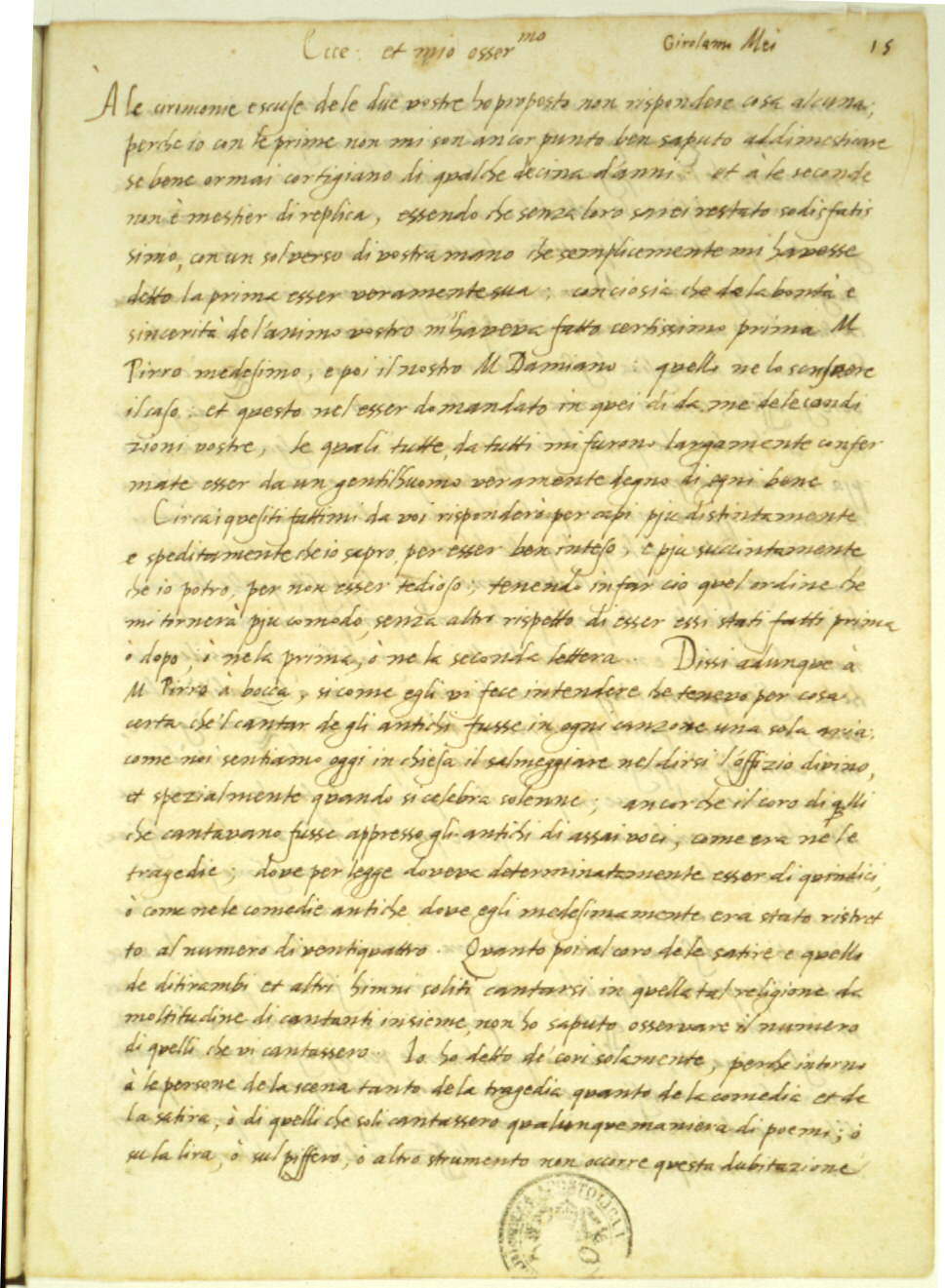
The Florentine Camerata was a group of Late-Renaissance Florentine intellectuals that gathered together under the patronage of Count Giovanni de' Bardi. Their far-ranging discussions would go on to shape trends in literature, science, and the arts. Musically speaking, the Camerata is most famous for giving rise to opera. Vincenzo Galilei, father of the famous astronomer Galileo Galilei, was an important member. Other illustrious members included de' Bardi himself; Girolamo Mei, whose research on ancient Greek drama and music and how they moved the affections was shared with Galilei through copious correspondence; Jacopo Corsi, composer, performer and the most prominent patron of the arts in Florence after the Medicis; Giulio Caccini, father of the composer Francesca Caccini; Jacopo Peri; Emilio de' Cavalieri; and the poets Ottavio Rinuccini and Torquato Tasso.
In 1581, Vincenzo Galilei published A Dialogue About Ancient and Modern Music, dedicated to de' Bardi, in which he argued that polyphony was unable to express the dramatic needs of poetry. Galilei's work concluded that words in music could only be rendered clearly and expressively by one voice—monody, or what they called stile moderno ("modern style")—instead of by four or five voices singing at the same time and contradicting each other: polyphony, or stile antico ("old style"). Galilei, Peri, and Caccini became the central figures in the move towards monody, which, strictly speaking, is homophonic texture: a single melodic line over an instrumental accompaniment.
Words, the Camerata further argued, should be sung with the same clarity and true representation of sentiment (affect) as if they were spoken. This notion gave rise to the stile rappresentativo, whose main vehicle was the recitative, a kind of melodic speech in which the music follows closely the free rhythms, pauses, and irregular phrases of the spoken word.
The structure of recitatives was determined solely by verbal considerations. In the recitativo secco ("dry recitative"), the voice was accompanied only by a basso continuo, usually simple chords played by a lute or harpsichord. In the recitativo accompagnato ("accompanied recitative"), an ensemble of instruments accompanied the voice, and it was therefore less improvisational and declamatory than the recitativo secco.
Composer: Claudio Monteverdi
-
"L'Orfeo: Recitativo secco: Rosa del ciel"
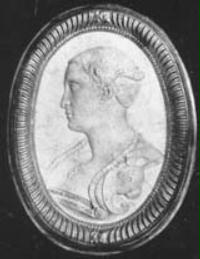
Dramma Per Musica
The Florentine Camerata productions—called dramma per musica—used recitativo secco throughout. These recreations of Greek drama, at first reserved exclusively for the enjoyment of wealthy and aristocratic patrons, are generally considered to be the precursors of opera.
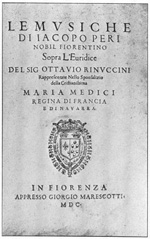
Two works by Jacopo Peri, Dafne (1598)—staged at Corsi's Palace with Corsi himself playing the harpsichord basso continuo—and L'Euridice (1601)—performed at the Medici Pitti Palace in Florence to celebrate the marriage of Henry IV, King of France, and Marie de' Medici—are the earliest surviving examples of early dramma per musica. Based on the Greek legend of Orpheus and Euridice, L'Euridice is almost entirely recitative. Peri wrote in the foreword that its style was intended to imitate speech in song
Soon enough, however, composers started using a lyrical type of singing that they called aria. This solo song was the most ornate form of monody found in baroque Italian opera. It was often highly ornamental, allowing singers room to improvise and display their capacity to express affection. One of the most famous early arias is "Possente spirto" from Monteverdi's L'Orfeo.
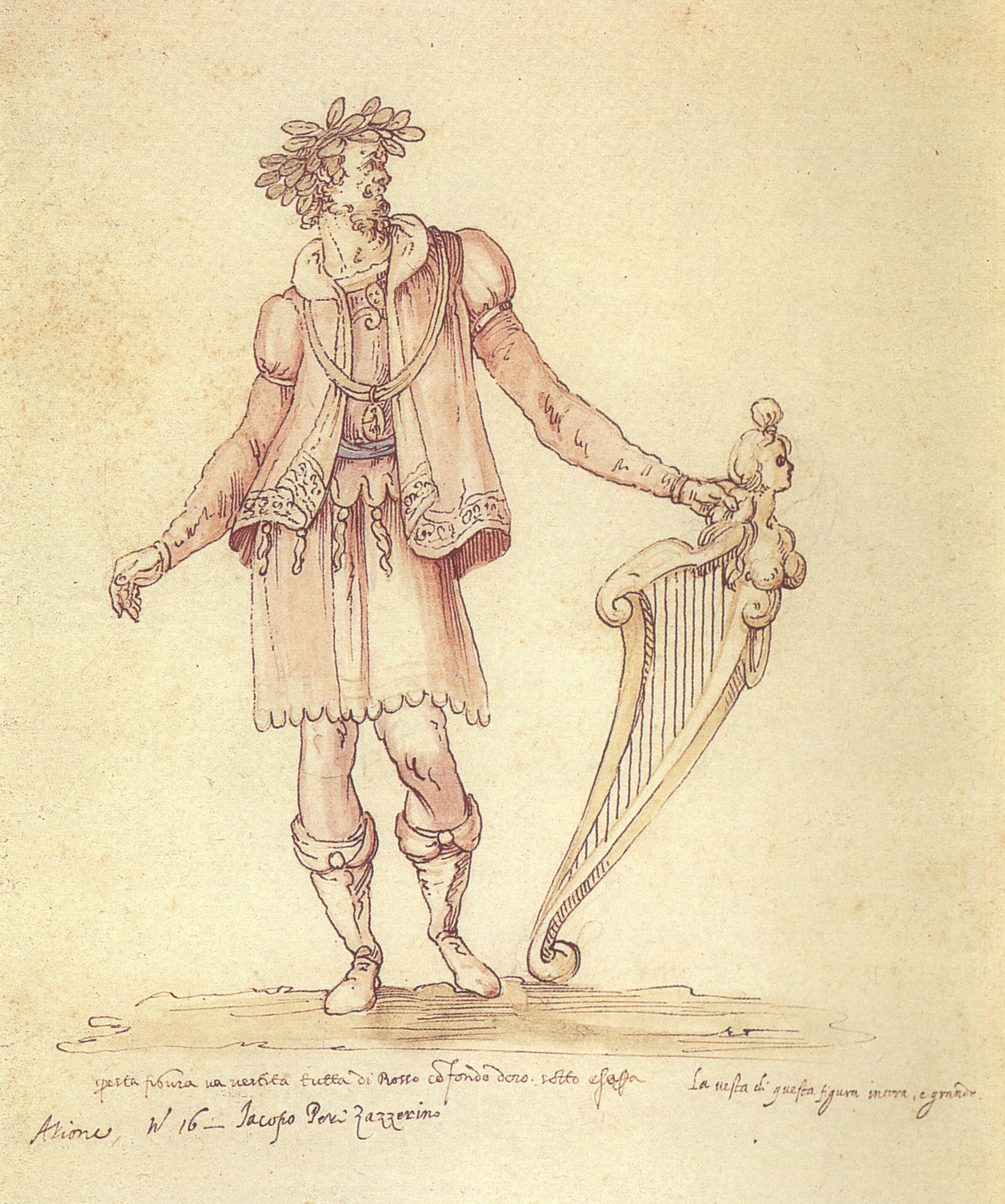
In the 1620s, opera productions moved to Rome and then to Venice, where in 1637 the first true popular opera was staged at the San Cassiano Theater (Europe's first public opera house). This was the first time that a paying public had access to the type of extravagant stage productions that up until then had been the exclusive privilege of the Roman and Florentine aristocracy.
Soon, opera was big business in Venice. From 1637 to 1678, more than 150 operas were produced in nine different theaters. Fueled by an emphasis on lyrical, virtuoso aria singing, and the novelty of the castrati who performed many of those arias, opera rapidly extended all over Europe. By the end of the 18th century, opera was particularly popular in London and Vienna. The Baroque public clearly loved opera.
Castrati
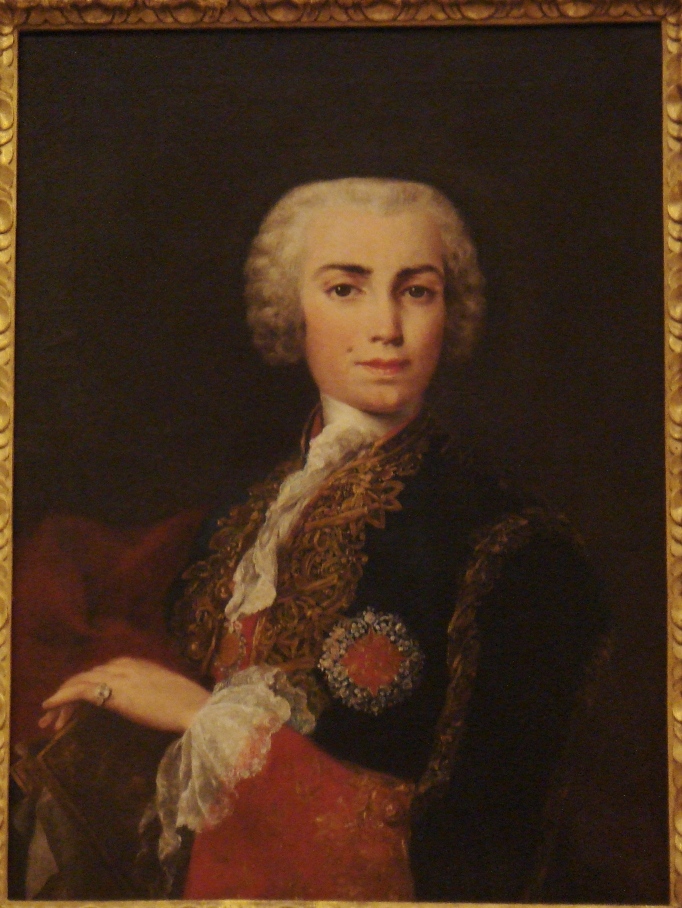
One fascinating aspect of Baroque opera culture was the training and popularity of the castrati: male singers who were castrated just before their voice broke and then trained to take on female roles in the high soprano range. By all accounts, the castrati possessed extremely agile, beautiful, and powerful voices. Thousands of boys, up to 4,000 a year, were castrated to preserve their high-pitched voices before the practice was finally dropped in the late 18th century. Very few of them achieved artistic success, but the ones that did enjoyed unprecedented fame and fortune as international performers.
Carlo Broschi, better known as Farinelli, was the most famous castrato of all and a true operatic superstar of the Baroque period. He was the most famous pupil of Nicola Porpora, teacher of another celebrated singer of the period: Gaetano Majorano(known as Cafarelli), who, among many important parts, sang the leading female role in the premiere of Handel's opera Serse—a role famous for the aria "Ombra mai fu" ("Shade there never was").
Composer: George Frideric Handel
-
"Serse, HWV 40: Serse (Xerxes), HWV 40, Act I: Ombra mai fu, "