
Learning Objectives
- List the different ways in which percussion instruments of the orchestra make sound, including: rubbing, shaking, or striking the instrument with an implement.
- Distinguish between idiophones and membranophones.
- Define the following musical terms: chimes, cymbals, drums, drumstick, kettledrum, mallet, shaking, striking, tambourine, timpani, triangle, vibraphone, xylophone, marimba, and resonator.
Percussion
The Xylophone
Another well-known definite-pitched orchestral instrument that merits special attention is the xylophone, which is widely used and known for its beautiful sound.
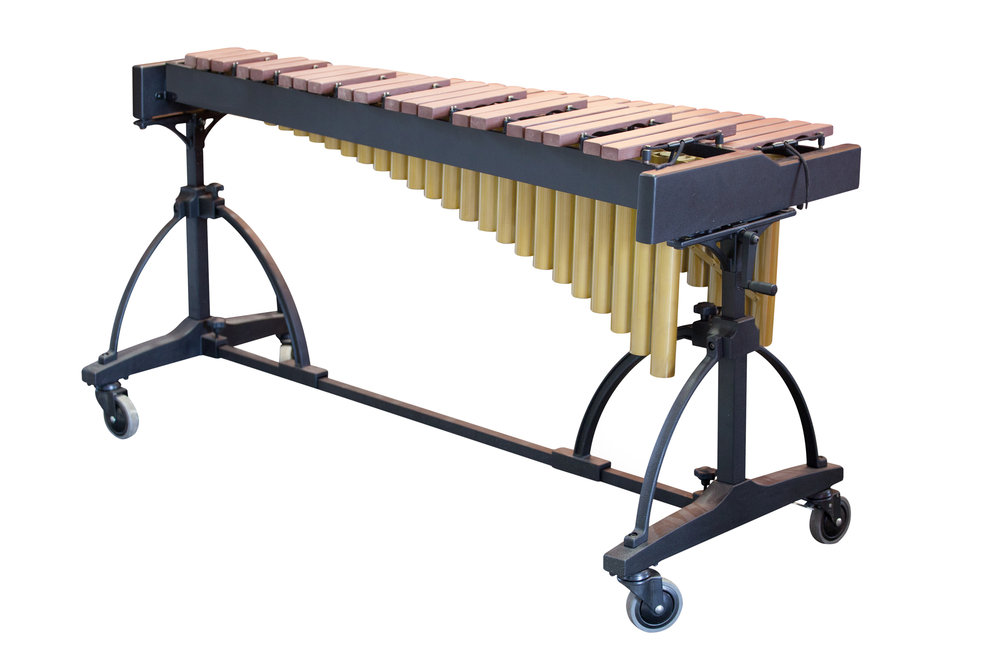
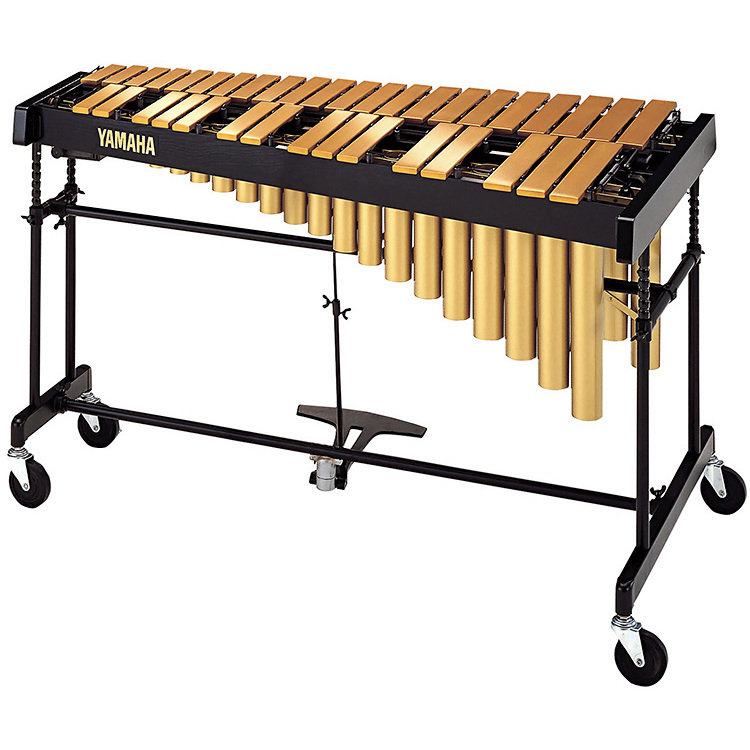
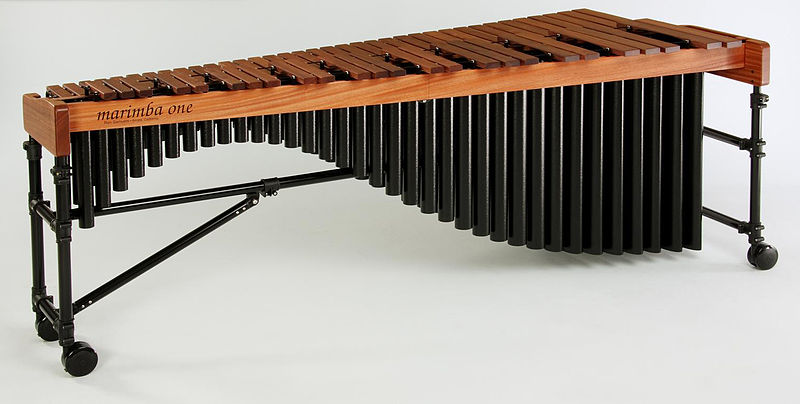
The xylophone is made up of several wooden bars, each of which is tuned to a specific pitch. The bars are arranged in the same order as a piano keyboard, and the player strikes them with wooden or hard rubber mallets. Under each hardwood bar there is a resonator whose length corresponds to the pitch of the bar. The bars are concave on the back.
The origin of the xylophone is unclear. Some say it originated in Southeast Asia, while others maintain that it was first developed in Africa. What is certain is that African slaves introduced it to South and Central America, where it is known as the marimba. There, it plays a central role in folk music.
Composer: Max Steiner
-
"The Treasure of the Sierra Madre (restored J. Morgan): Narange Dolce" [ 00:03-00:14 ]00:11

Listening Example
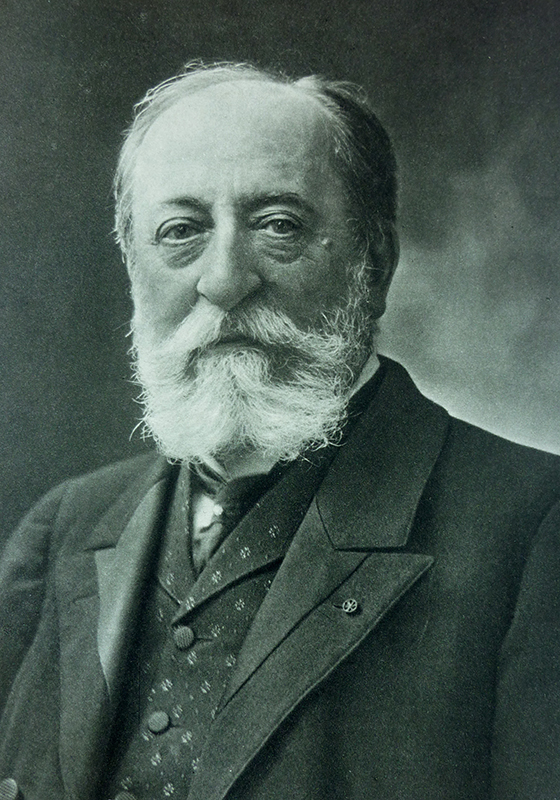
The twelfth movement of Camille Saint-Saëns' beloved 14-movement suite Carnival of the Animals features the xylophone and violin playing much of the melody, alternating with piano and clarinet. The use of the xylophone is meant to evoke the image of skeletons playing cards.
Composer: Camille Saint-Saëns
-
"Carnival of the Animals"
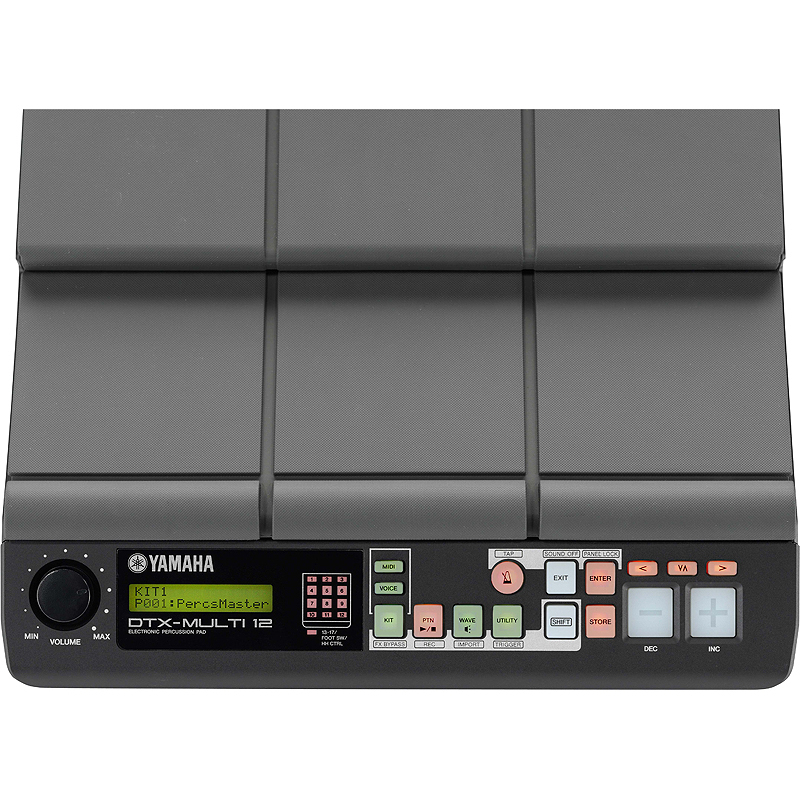
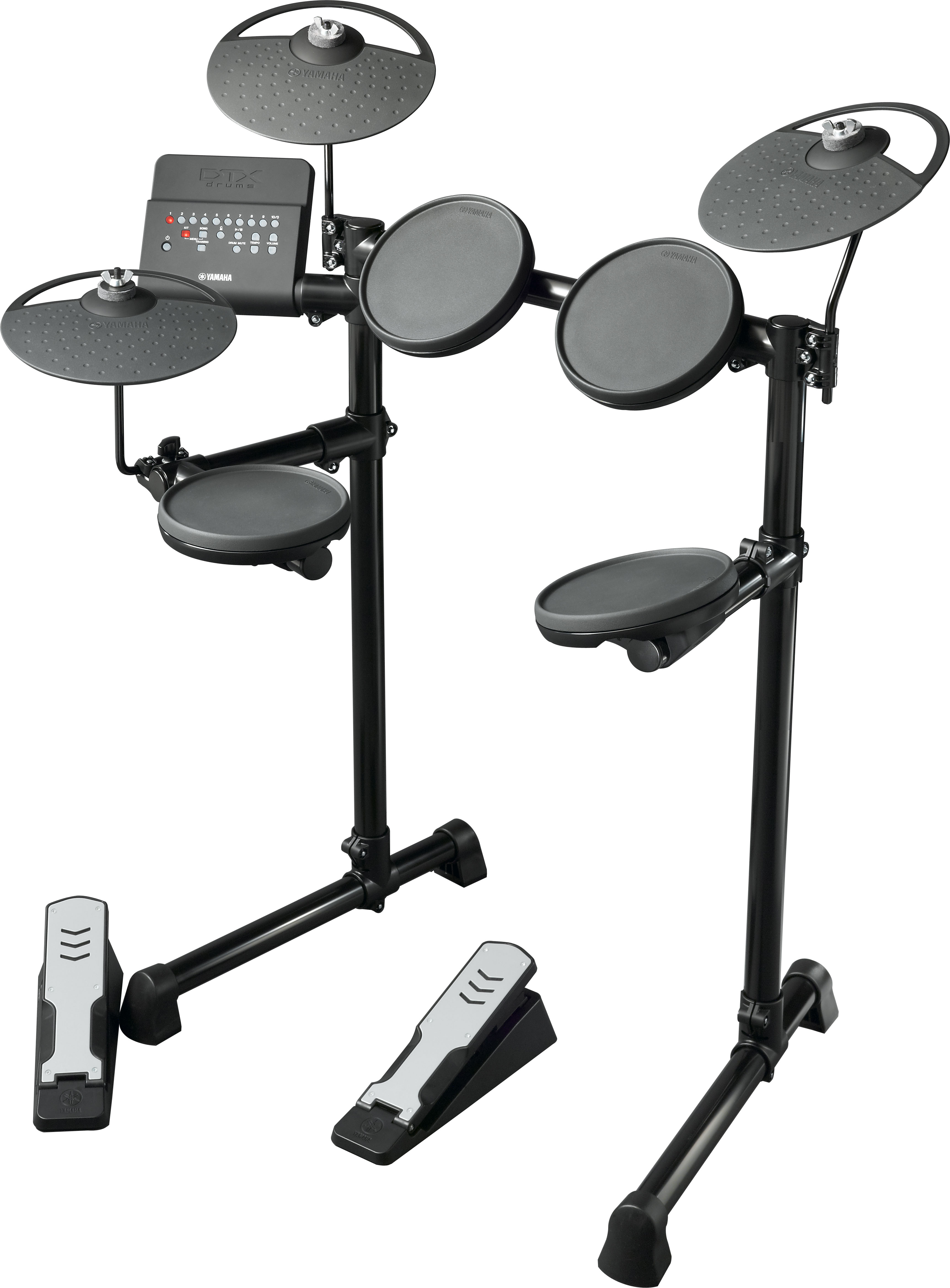
Electronic and Digital Percussion
Composer: David Antony Clark
-
"A Land Before Eden"
Composer: David Antony Clark
-
"Rainmakers"