





Percussion
The Xylophone
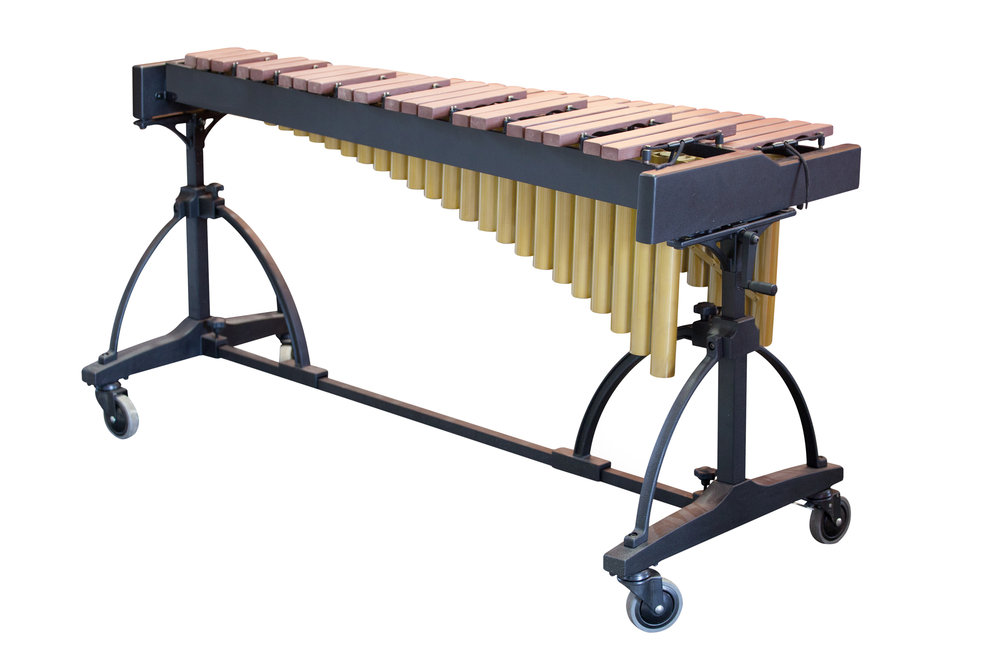
Another well-known definite-pitched orchestral instrument that merits special attention is the xylophone, which is widely used and known for its beautiful sound.
The xylophone is made up of several wooden bars, each of which is tuned to a specific pitch. The bars are arranged in the same order as a piano keyboard, and the player strikes them with wooden or hard rubber mallets. Under each hardwood bar there is a resonator whose length corresponds to the pitch of the bar. The bars are concave on the back.
The origin of the xylophone is unclear. Some say it originated in Southeast Asia, while others maintain that it was first developed in Africa. What is certain is that African slaves introduced it to South and Central America, where it is known as the marimba. There, it plays a central role in folk music.
Composer: Camille Saint-Saëns
-
"Carnival of the Animals" [ 17:02-17:10 ]00:08
The Vibraphone
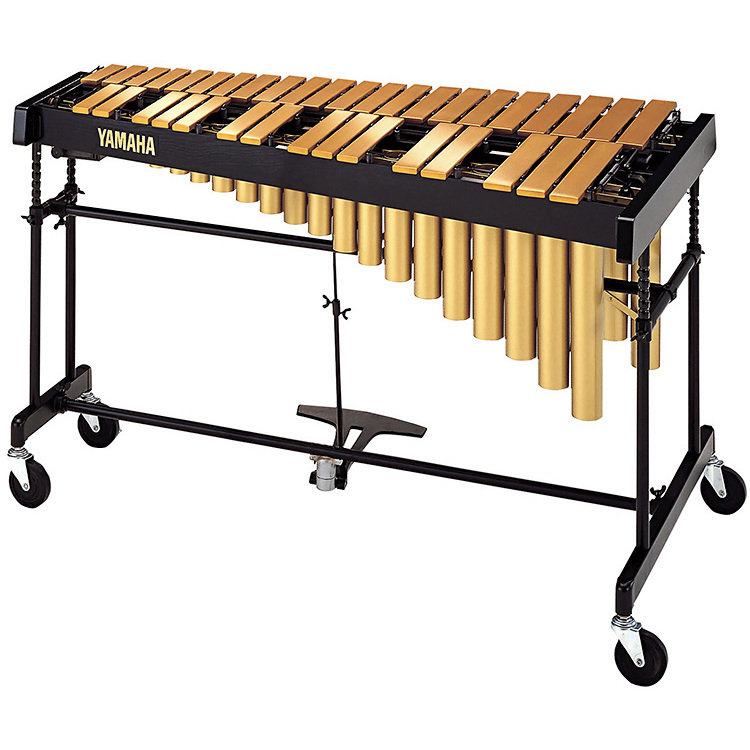
The vibraphone is a musical instrument in the struck idiophone subfamily of the percussion family. It consists of tuned metal bars and is usually played by holding two or four soft mallets and striking the bars. A person who plays the vibraphone is called a vibraphonist, vibraharpist, or vibist.
One of the main differences between the vibraphone and other keyboard percussion instruments is that each bar suspends over a resonator tube with a motor-driven valve at the top. The valves connect together on a common axel, which produces a tremolo or vibrato effect while the motor rotates the axle. The vibraphone also has a sustain pedal similar to a piano. With the pedal up, the bars produce a muted sound. With the pedal down, the bars sustain for several seconds, or until muted with the pedal.
Composer: Ney Rosauro
-
"Vibraphone Concerto: I. Recitative: Allegro" [ 00:00-00:30 ]00:30
The Marimba
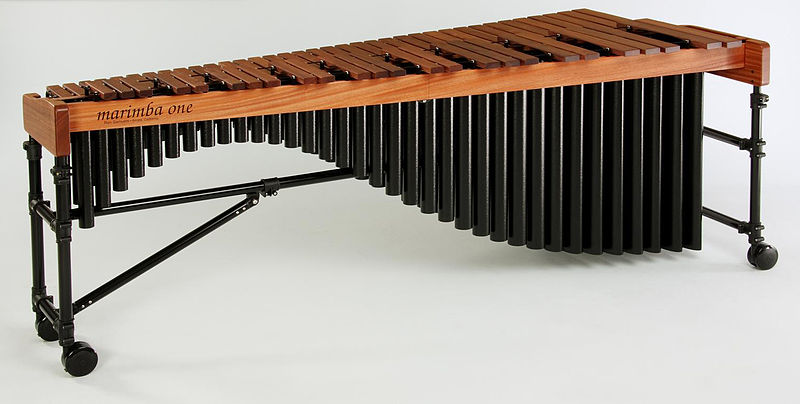
The marimba consists of a row of chromatically tuned wooden bars, arranged in the manner of a piano keyboard. The player strikes the bars with yarn or rubber mallets to produce musical tones. The bars are supported by a wooden frame over resonator tubes or pipes suspended underneath the bars that amplify their sound. The bars of a chromatic marimba are arranged like the keys of a piano, with the groups of two and three accidentals raised vertically, overlapping the natural bars to aid the performer both visually and physically. This instrument is a type of idiophone, but with a more resonant and lower-pitched tessitura than the xylophone. A person who plays the marimba is called a marimba player.
Composer: Max Steiner
-
"The Treasure of the Sierra Madre (restored J. Morgan): Narange Dolce" [ 00:03-00:15 ]00:12
Marimba
The marimba is the national instrument of Guatemala (Central America), where they often form whole orchestras.

Listening Example
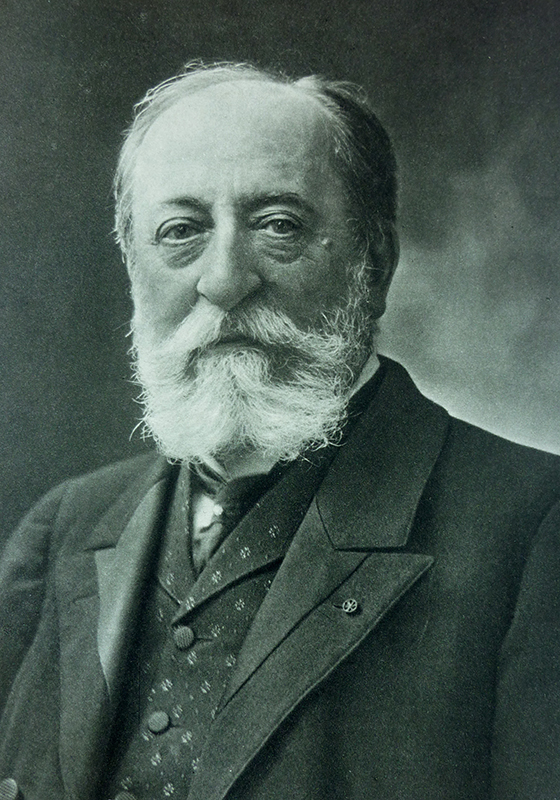
The twelfth movement of Camille Saint-Saëns' beloved 14-movement suite Carnival of the Animals features the xylophone and violin playing much of the melody, alternating with piano and clarinet. The use of the xylophone is meant to evoke the image of skeletons playing cards.
Composer: Camille Saint-Saëns
-
"Carnival of the Animals"
Electronic and Digital Percussion

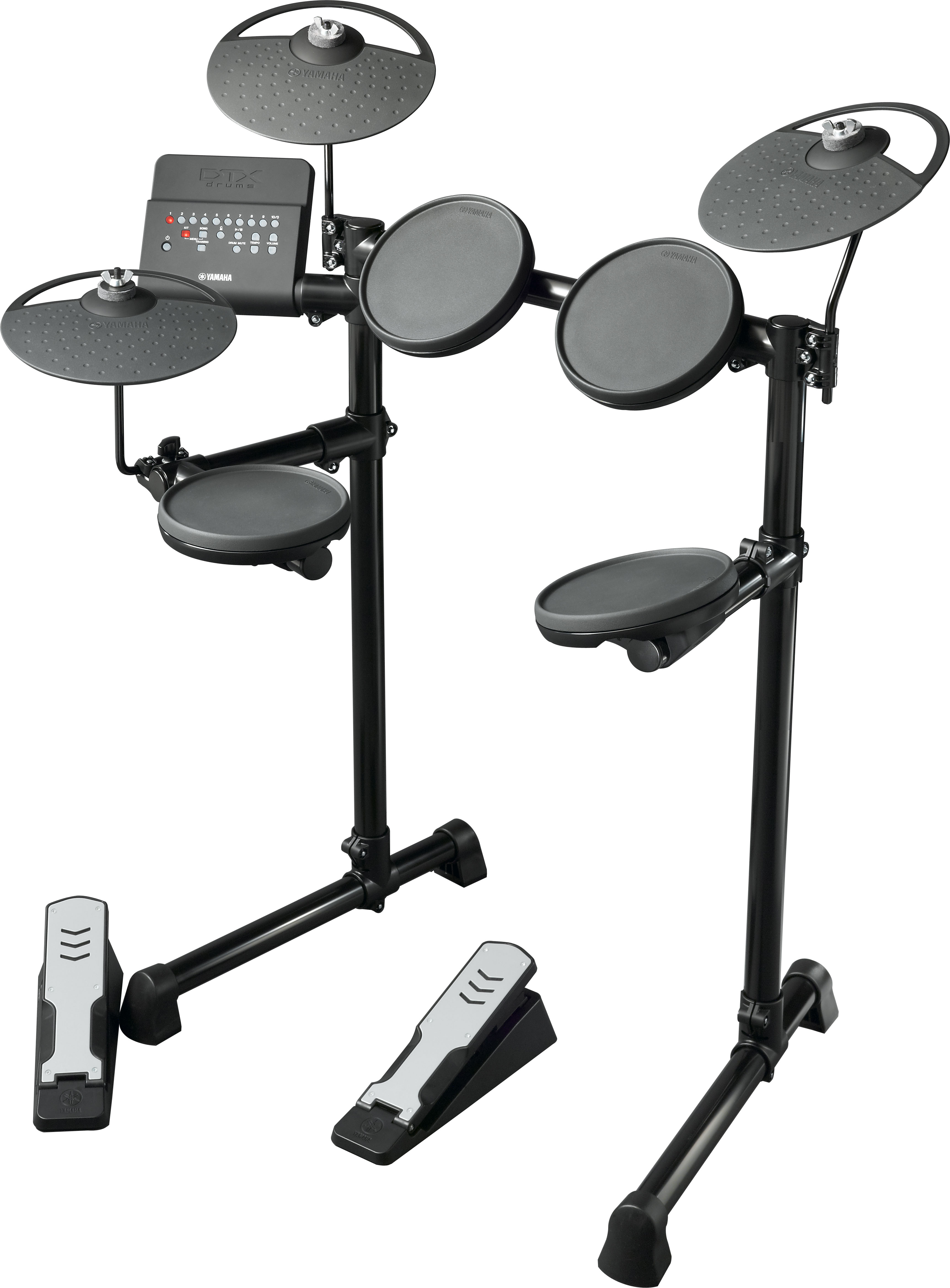
Composer: David Antony Clark
-
"A Land Before Eden"
Composer: David Antony Clark
-
"Rainmakers"