Learning Objectives
- Define the musical concept of rhythm.
- Identify by tapping and verbalizing the beat (or pulse) of a piece of music.
- Identify the musical element of tempo given a series of music examples.
- Explain the basic relationship between rhythm and the human body.
- Identify and discuss the role that silence plays in rhythm.
- Define the following musical terms: adagio, allegro, andante, beat, largo, moderato, movement, presto, rhythm, tempo, and vivace.
Tempo
The rate at which pulses in music recur gives the impression of speed. In music, this rate is called tempo.
"Tempo: The time of a musical composition; hence the speed at which its performance proceeds."
Grove Dictionary of Music
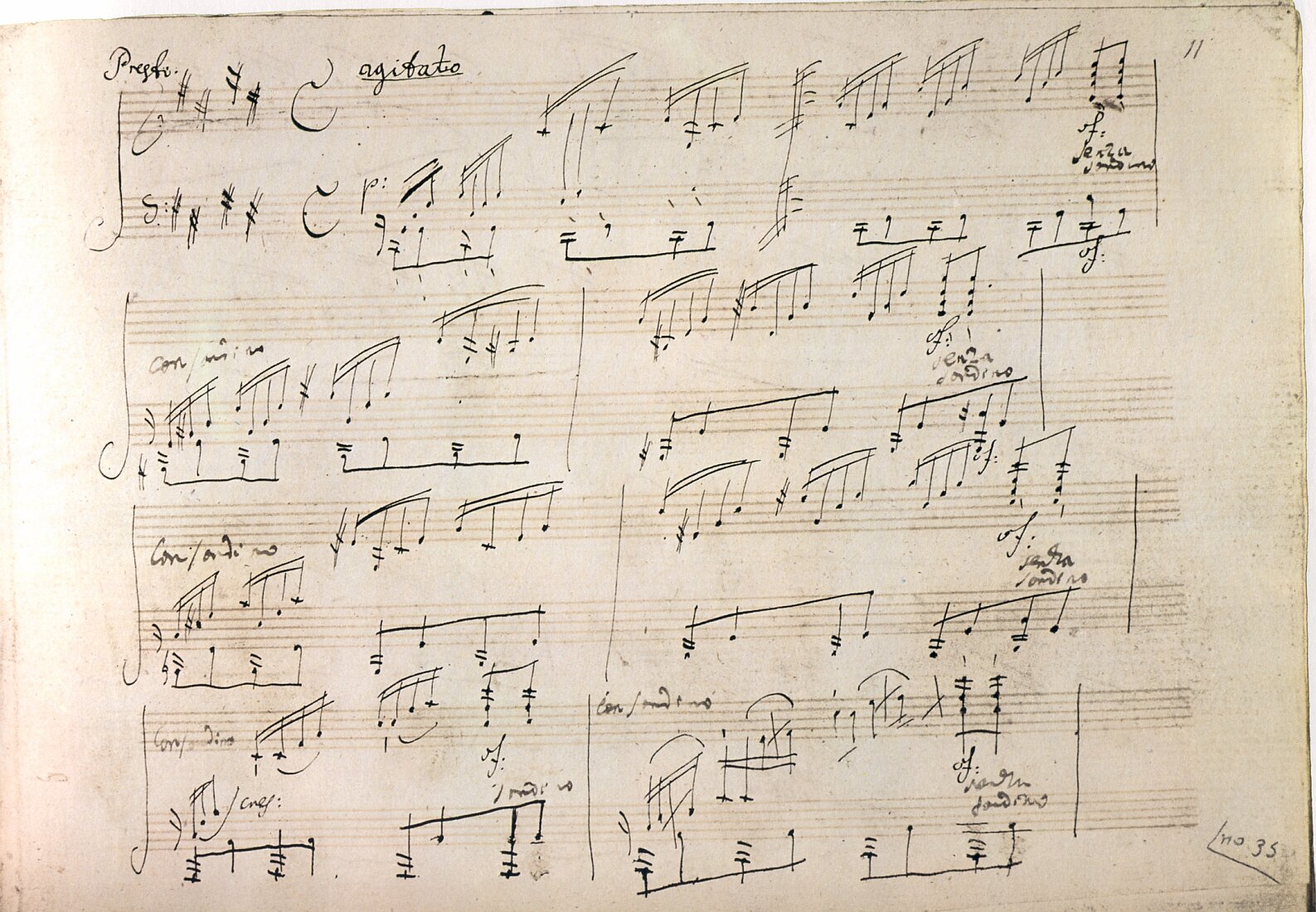
Tempo is an Italian musical term, now universal, that refers to how fast a music composition is played. Tempo covers all the variations in speed, from very slow to very fast. In written music, tempo markings are usually written in Italian and appear over the staff. In the image on the left, the tempo marking is presto, which means very fast.
Tempo may also be indicated in a much more precise manner by stating the number of specified note values (whole note, half note, quarter note, and so on) per minute. For example, 72 quarter notes per minute is a tempo that corresponds to the average resting heart rate.
Musicians use the metronome to precisely measure tempo in terms of beats per minute (bpm). Most metronomes feature divisions that correspond to the terms for tempo. For example, 50 beats per minute is considered lento (slow), 90 is considered andante (walking speed), while presto (very fast) may refer to tempos up to 200 beats per minute. Given the table below, can you guess which tempo corresponds to the resting heart rate? (Highlight to see the answer): Adagio, or "at ease"
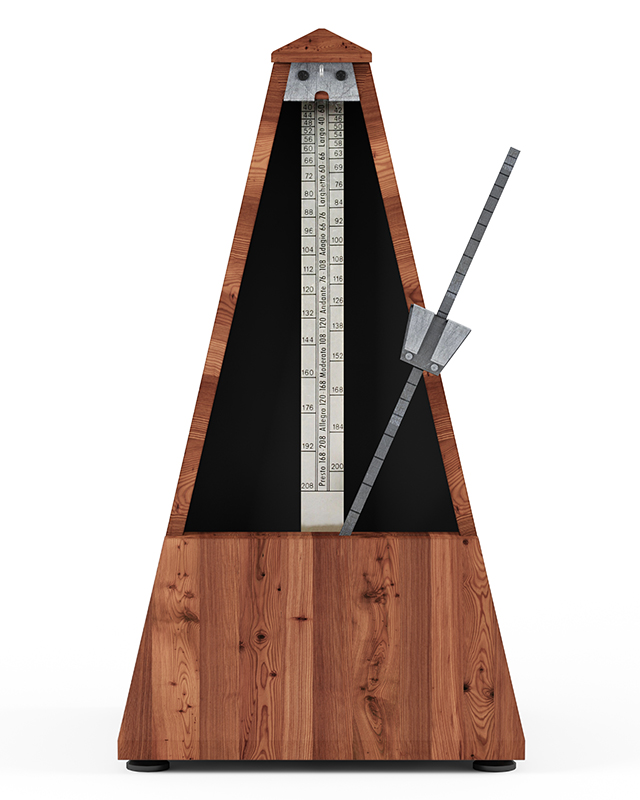
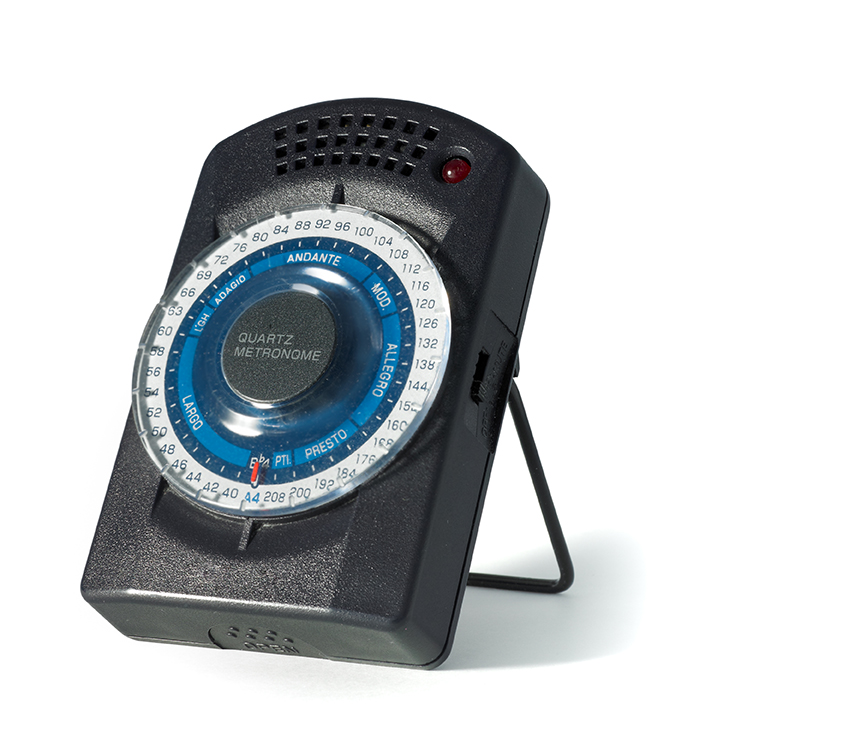
Common Italian Terms Denoting Musical Speed
Tempo is so important in music that composers often use tempo designations as titles. Italian composers around the 1600s were the first to specifically indicate tempo and mood in their scores. Prior to that, precise tempo markings were practically unknown in music notation. With emerging nationalistic political and cultural trends in the mid-19th century, composers began indicating tempo and mood in their own languages. More recently, they indicate speed and expression by a mixture of Italian and native language terms.
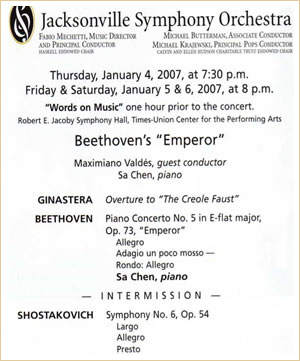
When you attend a concert, you may find that the different movements (sections) of a symphony or a sonata are labeled with the speed at which they are supposed to be performed; for instance, allegro or andante. This indicates the tempo you may expect to hear in those sections of the piece.
Of course, most aspects of rhythm are relative. What seems slow to you might be a moderate tempo for another listener. What seems to be a weak pulse the first time you hear a piece may seem very obvious and strong when you hear it again. Tempo indications therefore must be understood in their musical context.