





Texture (Continued)
Homophony
Homophony is the most commonly found texture in Western music. In homophonic music, a single melodic line usually carries the melody (the “tune”). From most listeners' point of view, that melodic line is heard over the harmonic accompaniment. On most keyboard pieces, for example, the right hand usually carries the main melodic line while the left hand provides the harmonic accompaniment. In popular music, the lead singer sings the vocal melody over the band's harmonic accompaniment.
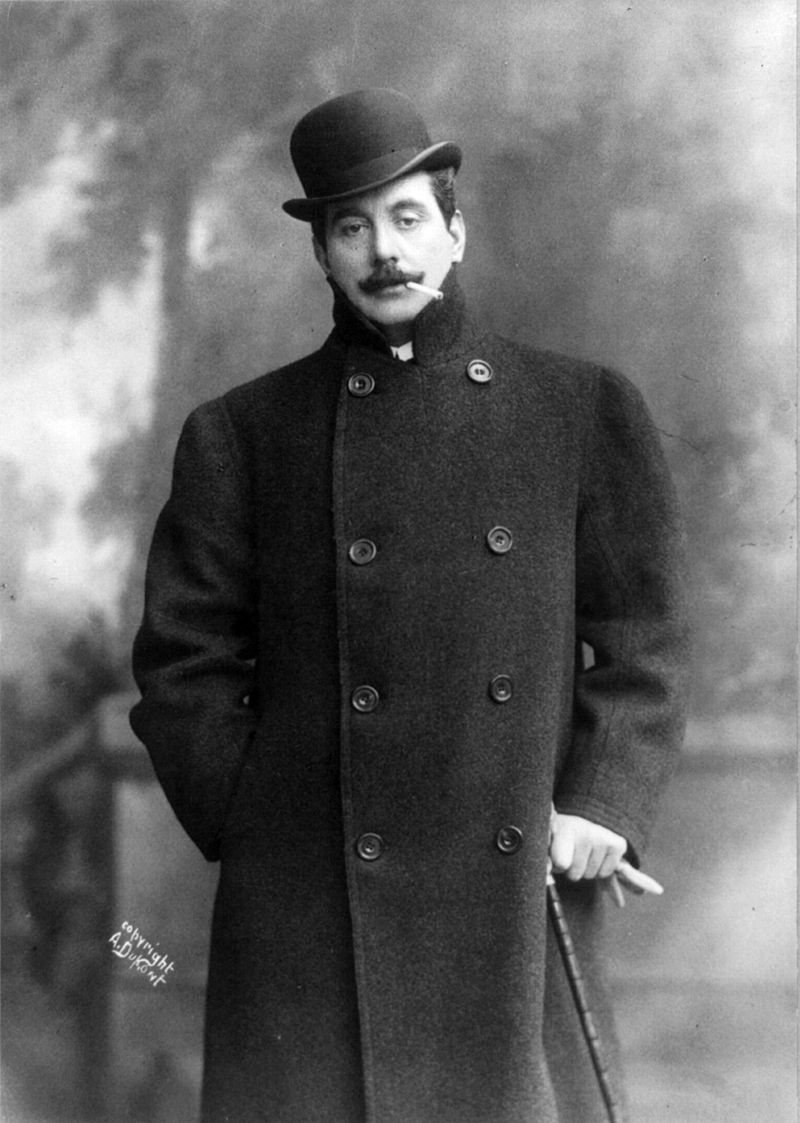
Operatic arias of the Romantic period, notably those by Giacomo Puccini, provide good examples of homophonic music. An aria is a song, tune, or melody sung by a single voice with or without accompaniment, and often, as in the following example, as part of a larger work. "Un bel di", an aria from Puccini's opera Madame Butterfly, is arguably one of the most popular pieces of all time.
Composer: Giuseppe Giacosa
-
"Madama Butterfly: Madama Butterfly, Act II: Un bel di, vedremo"
Mixed Textures
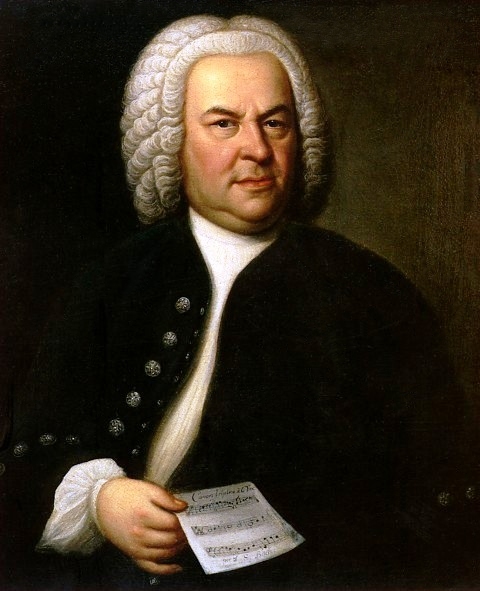
A piece of music doesn't necessarily have to feature only one type of musical texture. Compositions may—and often do—use a combination of textures to achieve different musical effects. An example of homophony and polyphony combined in one work is "Erbarme Dich", an aria from the oratorio St. Matthew Passion. An oratorio is large-scale musical setting of a sacred text, often lasting over two hours.
Violin solo: homophony
Composer: Johann Sebastian Bach
-
"St. Matthew Passion, BWV 244: Erbarme dich, mein Gott" [ 00:00-01:01 ]01:01
Alto and violin: polyphony
Composer: Johann Sebastian Bach
-
"St. Matthew Passion, BWV 244: Erbarme dich, mein Gott" [ 01:01-02:50 ]01:49
Second violin solo: homophony
Composer: Johann Sebastian Bach
-
"St. Matthew Passion, BWV 244: Erbarme dich, mein Gott" [ 02:50-03:20 ]00:30
Alto and violin: polyphony
Composer: Johann Sebastian Bach
-
"St. Matthew Passion, BWV 244: Erbarme dich, mein Gott" [ 03:20-05:58 ]02:38
Final violin solo: homophony
Composer: Johann Sebastian Bach
-
"St. Matthew Passion, BWV 244: Erbarme dich, mein Gott" [ 05:58-07:08 ]01:10
Considered one of the greatest exponents of polyphonic writing, Bach was a master of changing musical textures to help communicate the message of the text.
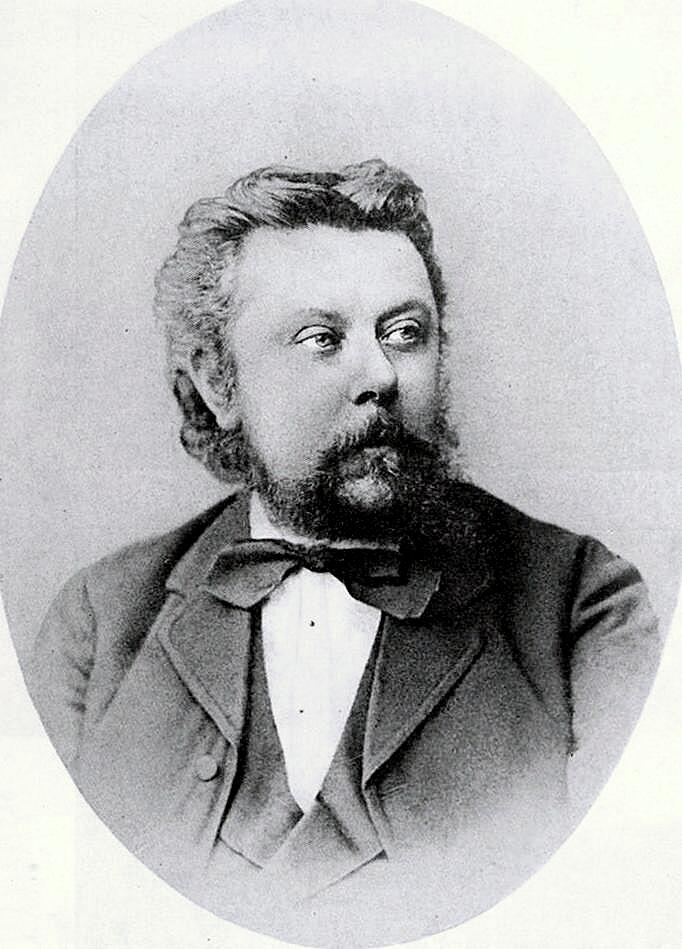
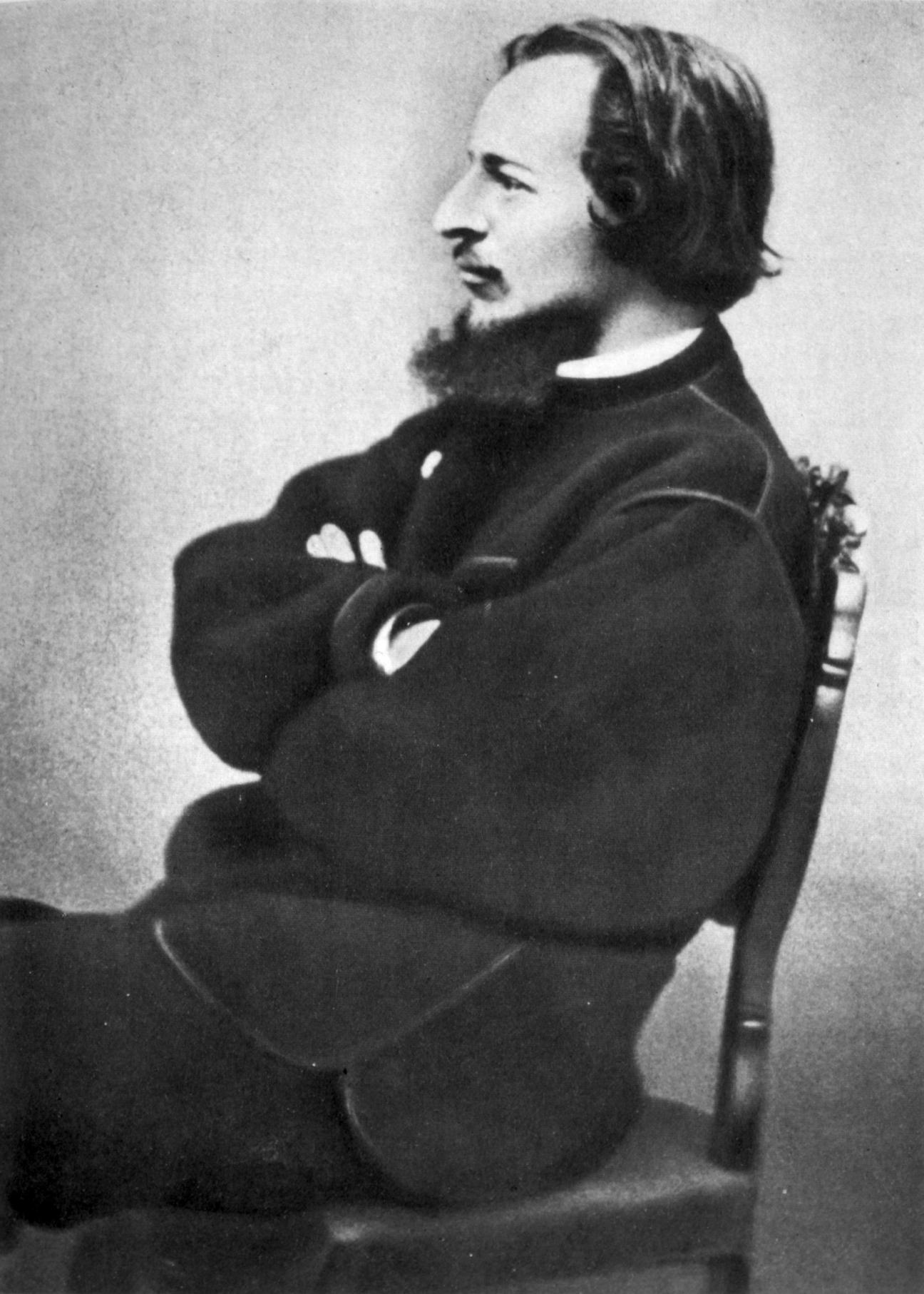
The famous work Pictures at an Exhibition by the Russian composer Modest Mussorgsky (1839–1881) was inspired by an exhibition of paintings by his close friend, Victor Hartmann (1834–1873). "Samuel Goldenberg and Schmuyle", a movement from this piece, portrays two men discussing a debt. One of them, Goldenberg (represented as Theme 1), is rich and powerful while the other, Schmuyle (Theme 2), is poor and common. This movement combines all three musical textures commonly found in Western music. Thus, taken as a whole, this movement is considered a work of mixed texture.
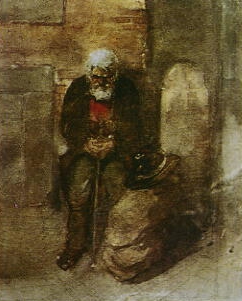
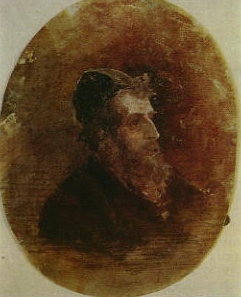
"Samuel Goldenberg and Schmuyle": Mixture of monophonic, homophonic, and polyphonic textures
Composer: Modest Mussorgsky
-
"Pictures at an Exhibition"
Theme 1 (Goldenberg): Monophonic texture
Composer: Modest Mussorgsky
-
"Pictures at an Exhibition"
Theme 2 (Schmuyle): Homophonic texture
Composer: Modest Mussorgsky
-
"Pictures at an Exhibition"
Themes 1 and 2 (Goldenberg and Schmuyle discuss debt): Polyphonic texture
Composer: Modest Mussorgsky
-
"Pictures at an Exhibition"