
Learning Objectives
- Outline the process by which woodwind instruments produce sound by setting a column of air in motion inside the body of the instrument.
- Explain the difference between the distinctive tone colors produced by woodwind instruments based on their shape, materials, and the various techniques used to play them.
The Woodwinds
The Bassoon
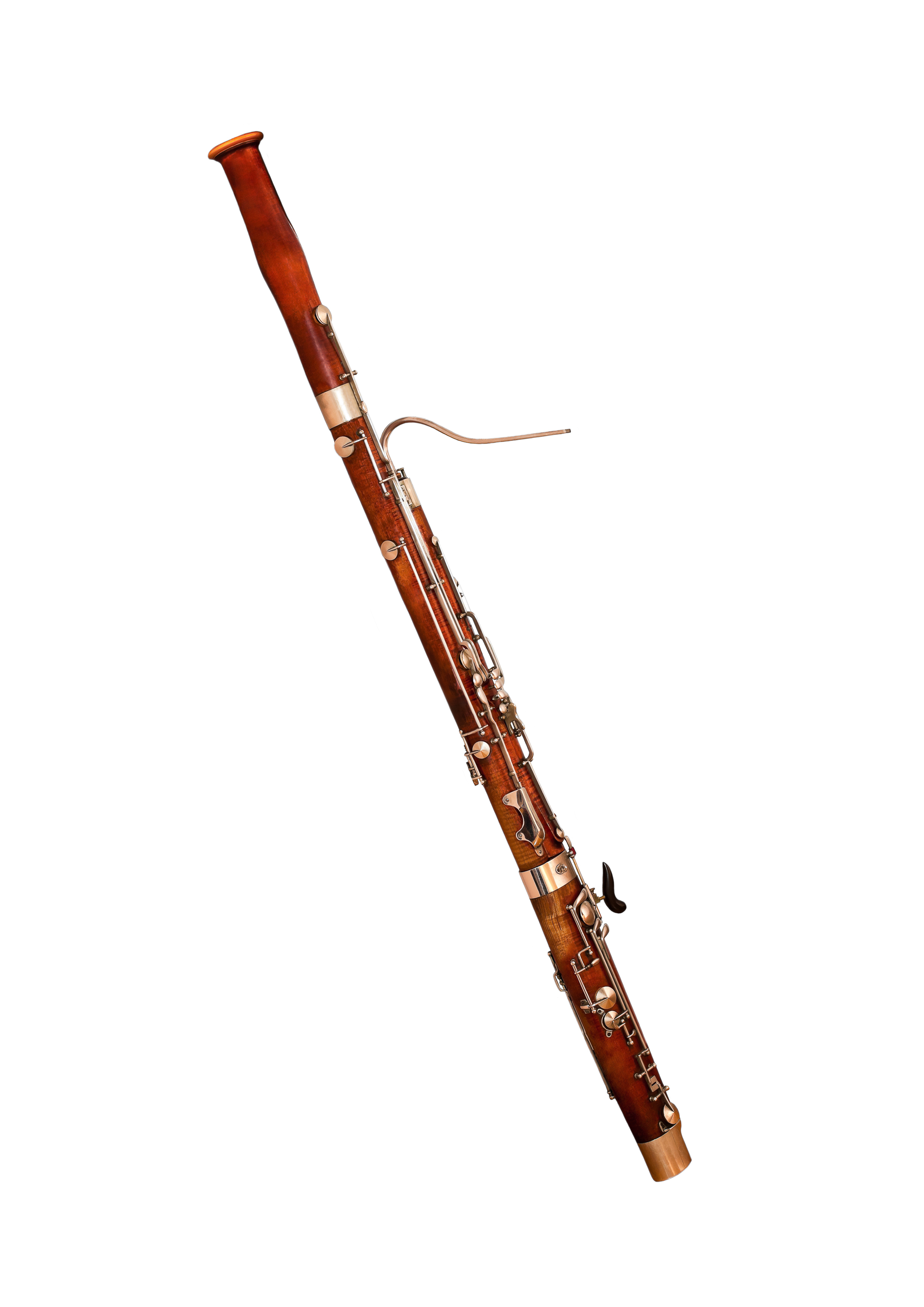
The bassoon is another member of the double reed category of woodwind instruments. Developed in the 17th century, its body consists of four sections. The modern version of this instrument was developed in France around 1636 and later perfected in Germany. Like its other woodwind relatives, the bassoon quickly gained recognition as a solo instrument. It also has a place as a significant member of the orchestra.
The bassoon is the principal tenor and bass instrument voice of the woodwind family—and also its biggest member. Notice from the picture that the instrument is folded upon itself. If it were stretched out, the bassoon would measure over eight feet in length.
Composer: Igor Stravinsky
-
"Le Sacre Du Printemps (The Rite Of Spring): Part I: The Adoration of the Earth"
Listening Example
Composer: Wolfgang Amadeus Mozart
-
"Bassoon Concerto in B-Flat Major, K. 191: II. Andante ma adagio"
