Generating page narration, please wait...

Learning Objectives
Be ready to...
- Explain how the Classical period (1750-1825) characteristics of order, objectivity, and harmonious proportion relate to the music characteristics of the period.
- Summarize how the American Revolution (1775-83) and the French Revolution (1789-99) profoundly changed political systems and social order.
- Classify the large-scale musical forms in which the Classical masters composed.
- Explain music making in the context of the royal court and the patronage system.
- Define form and absolute music, and relate these concepts to one another.
- Differentiate between the main musical forms of the Clasical-era by summarizing the development of the symphony, sonata, string quartet, and the concerto.
- Define and analyze the symphony, sonata, string quartet, and concerto forms in the context of the Classical period.
- Describe the impact of the major Classical composers Haydn, Mozart, and Beethoven.
- Discuss the impact of Beethoven's thirty-two piano sonatas.
- Compare and contrast the two types of Italian opera: opera buffa and opera seria.
Classical Period (1750–1825)
Listening Bridge
Listen and compare the following two concertos, the first from the Baroque and the second from the Classical period. Consider these questions:
- What is the solo instrument featured in each piece?
- In which piece do the orchestra and soloist play the same theme?
- In which piece are there more sudden and extreme changes in dynamics?
- Which piece features a basso continuo?
- Which piece features a more singable melody?
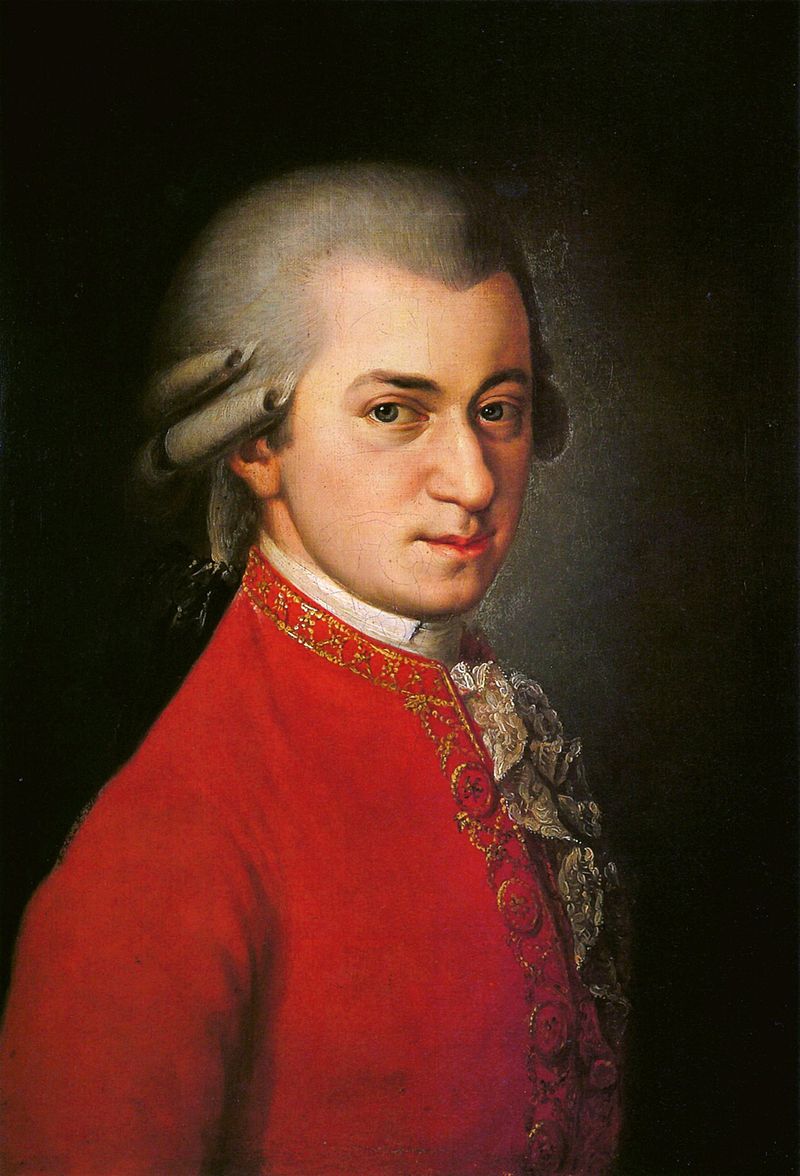
Composer: Wolfgang Amadeus Mozart
-
"Piano Concerto in A major, K.488: I. Allegro"
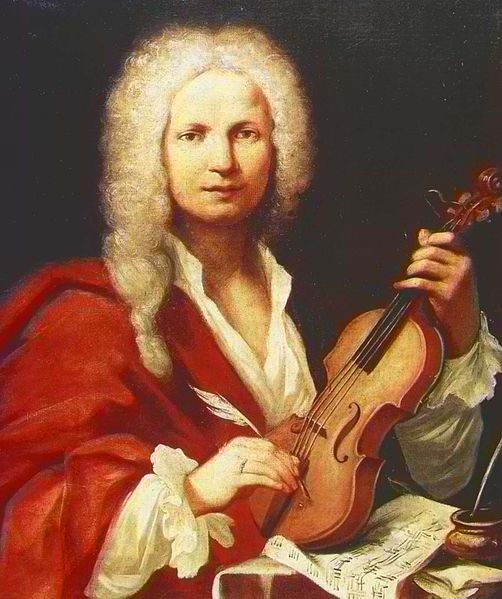
Composer: Antonio Vivaldi
-
"The Four Seasons, Violin Concerto in E Major, Op. 8 No. 1, RV 269 "
Listening Prelude
As you listen to this piece, consider the following questions:
- Are the instruments you hear from the same family, or are their timbres quite different?
- Does it sound like many instruments are playing, or only a few?
- Can you identify clear phrases? (Can you tell where one idea ends and another begins?)
- Does the music have a sense of balance, of one statement being followed by another one that matches? Or are small musical motives repeated endlessly throughout?
- Do you hear the return of musical ideas?
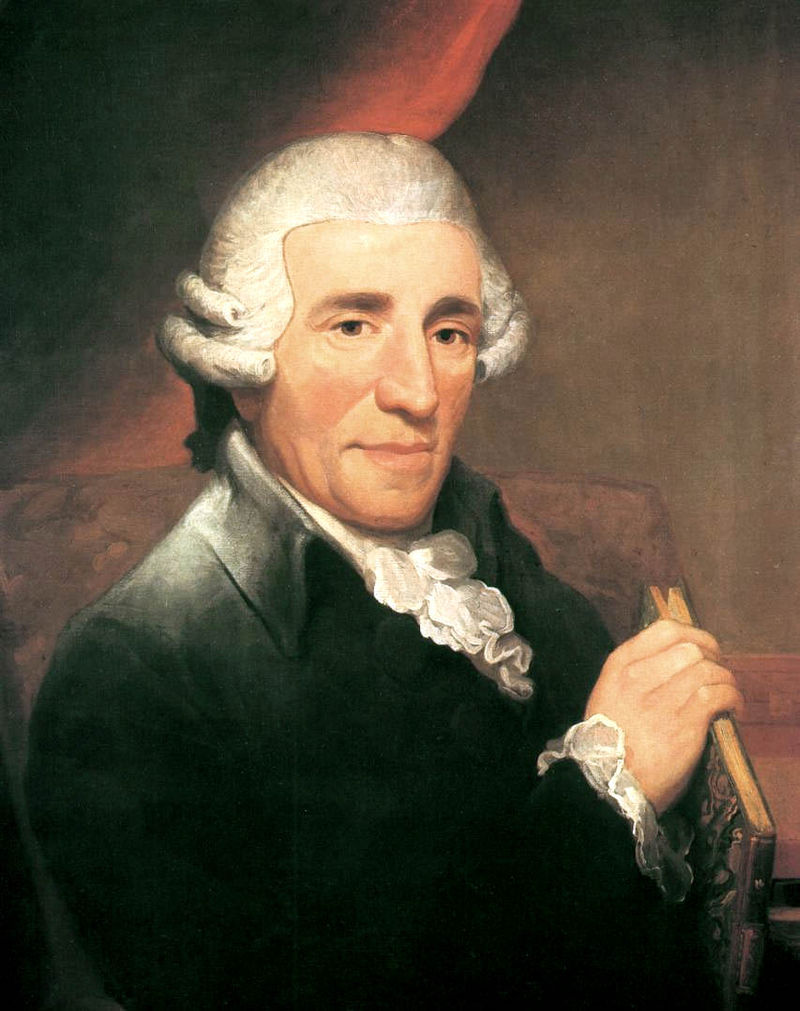
Composer: Franz Joseph Haydn
-
"String Quartet No.17 in F major. I: Moderato"