Overview:
Dance is an expressive art form that appeals to all children. It is complementary to music as a non-verbal means of communication, stimulates all the senses, and aids in the development of kinesthetic intelligence and self-expression. In this class, dance and music serve as the conduit for creating integrated movement experiences that illustrate and interpret music
Objectives:
Students will be able to:
- Articulate teaching approaches for preparing students to take part in dance activities.
- Identify effective age-appropriate introductory dance activities.
- Identify ways in which dance can teach music elements.
- Compare and contrast different types of movement activities.
- Describe the best practices for leading action songs and formal dance.
- Identify and describe the assessment of dance activities.
Action Songs and Games
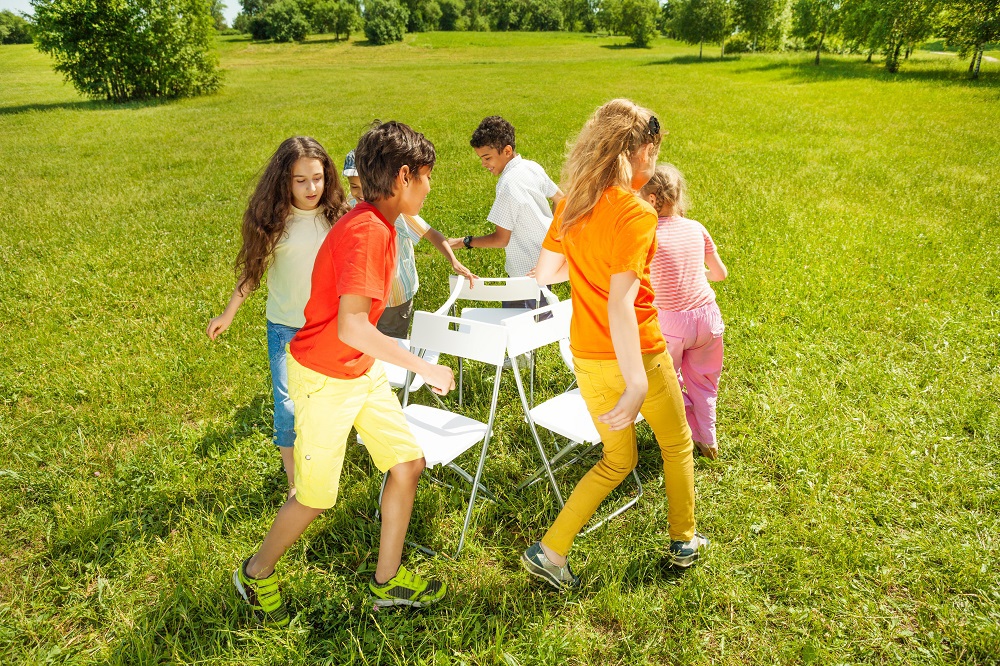
Many children’s songs are oriented toward movements and games. They are natural choices for all types of introductory movement instruction. Action songs are songs whose words indicate movement or rhythmic gestures. Action songs are often referred to as play party games.
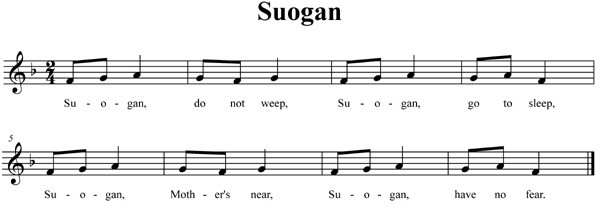
While kindergarten or first-grade students sing “Suogan,” a Welsh lullaby, they could cradle an imaginary baby in their arms and rock back and forth to put the baby to sleep.
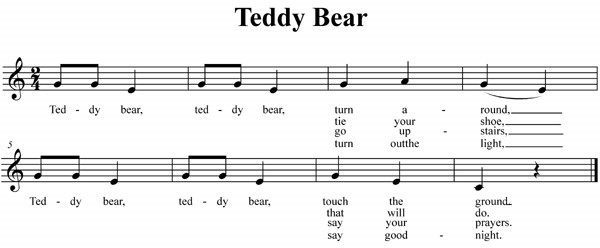
Or while singing “Teddy Bear,” students could act out the words of the text.
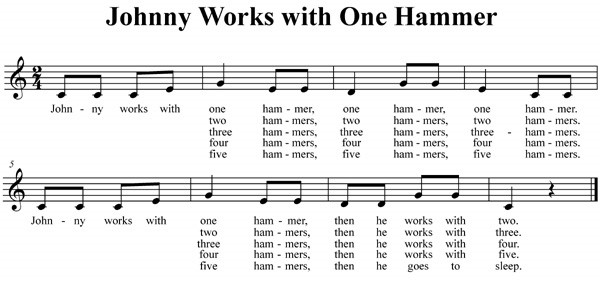
An action song to which students would perform non-locomotor movements to a steady beat would be “Johnny Works with One Hammer.”