
Overview
This section will introduce you to the musical elements that are common to much of the music we call jazz. We will look at jazz from a theoretical perspective and examine three essential features of the music to see how they contribute to this remarkable art form. In addition, we will look at how the unique swing feeling of jazz is achieved.
We will also get a first glimpse at the blues. To appreciate jazz and blues more fully, it’s good to know how the unique sounds of blues originated, and how those sounds were absorbed into jazz. This section also covers some of the defining characteristics of blues music, and some of the differences between blues and jazz.
Objectives
Upon completion of this part of the lesson, you will be able to do the following:
- Identify three essential features of jazz
- Define improvisation
- Describe the swing feeling of jazz
- Identify the musical components that create a swing feeling in jazz
- Define swing eighth-note
- Define syncopation
- Define polyrhythm
- Identify how African Americans contributed to the development of jazz
- Describe the blue note
- Describe pitch bending
- Define harmony
- Define chord
- Define chorus
- Describe how tonality is relevant to jazz
Chord Progressions
The term chord progressionA series of chords that aims to establish tonality. refers to a series of chords that aims to establish tonalityThe musical language of traditional Western music, characterized by the tonic-dominant relationship. (which we'll learn more about on the next page). You may very well recognize the sound of the chord progression I – IV – V– I because it is common to much of our music. Bach, Haydn, Mozart, Beethoven, Brahms, and many others all wrote music using this chord progression. It's also a conspicuous feature of much rock and country music. Watch the following video for a country music example.
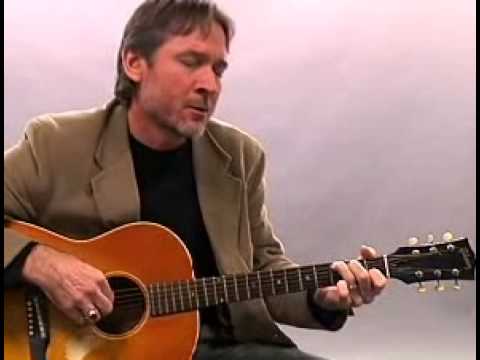
movie cheatinheart320 0
Let's listen to another example of this chord progression: Prelude in C major ♫.
In blues, the chord progression — referred to by musicians as the changesA term musicians use to refer to chord progressions. — provides accompaniment to the melody.
Seventh Chords
Much of the blues has been written using the I, IV, and V chords as the basis for a 12-bar formA common blues form with an AAB format.
that conforms to the following chord progression:
Blues 12 Bar Blues
This chord progression uses what we call seventh chords. Seventh chords are triads with one extra third stacked on top, adding an interval of a seventh above the root. Seventh chords are used extensively in blues pieces. The following exercise demonstrates stacking an extra third on top of a triad to form a seventh chord.
Dominant Seventh Chord
Play the I-IV-V-I chord progression using seventh chords in this next exercise.
Blues Chord Progressions 02



The saxophone was not associated with jazz swing until 1920 when the Six Brown Brothers brought it to prominence.
