
Learning Objectives
- List the characteristics of the Baroque era (1600-1750) in context of social change including religious wars (Protestants vs. Catholics), the exploration and colonization of the New World, and the rise of middle-class culture.
- Identify a new style—monody—that featured solo song with instrumental accompaniment in the Baroque period through listening examples.
- Define figured bass, a shorthand that allowed the performer to supply chords through improvisation.
- Compare and contrast the major-minor tonality system and the equal temperament tuning system.
- Explain the significance of the union of text and music as expressed in the Baroque Doctrine of the Affections and reflected in genres such as opera, oratorio, and cantata.
- Define and compare the genres of opera, oratorio, and cantata.
- Compare and contrast the development of two types of concertos: the solo concerto and the concerto grosso.
- Correctly identify visually and aurally the main keyboard instruments of the Baroque era: organ, harpsichord, and clavichord.
- Describe the main characteristics of J. S. Bach's keyboard music, in particular his Well-Tempered Clavier.
Baroque Period (1600–1750)
The Baroque Concerto
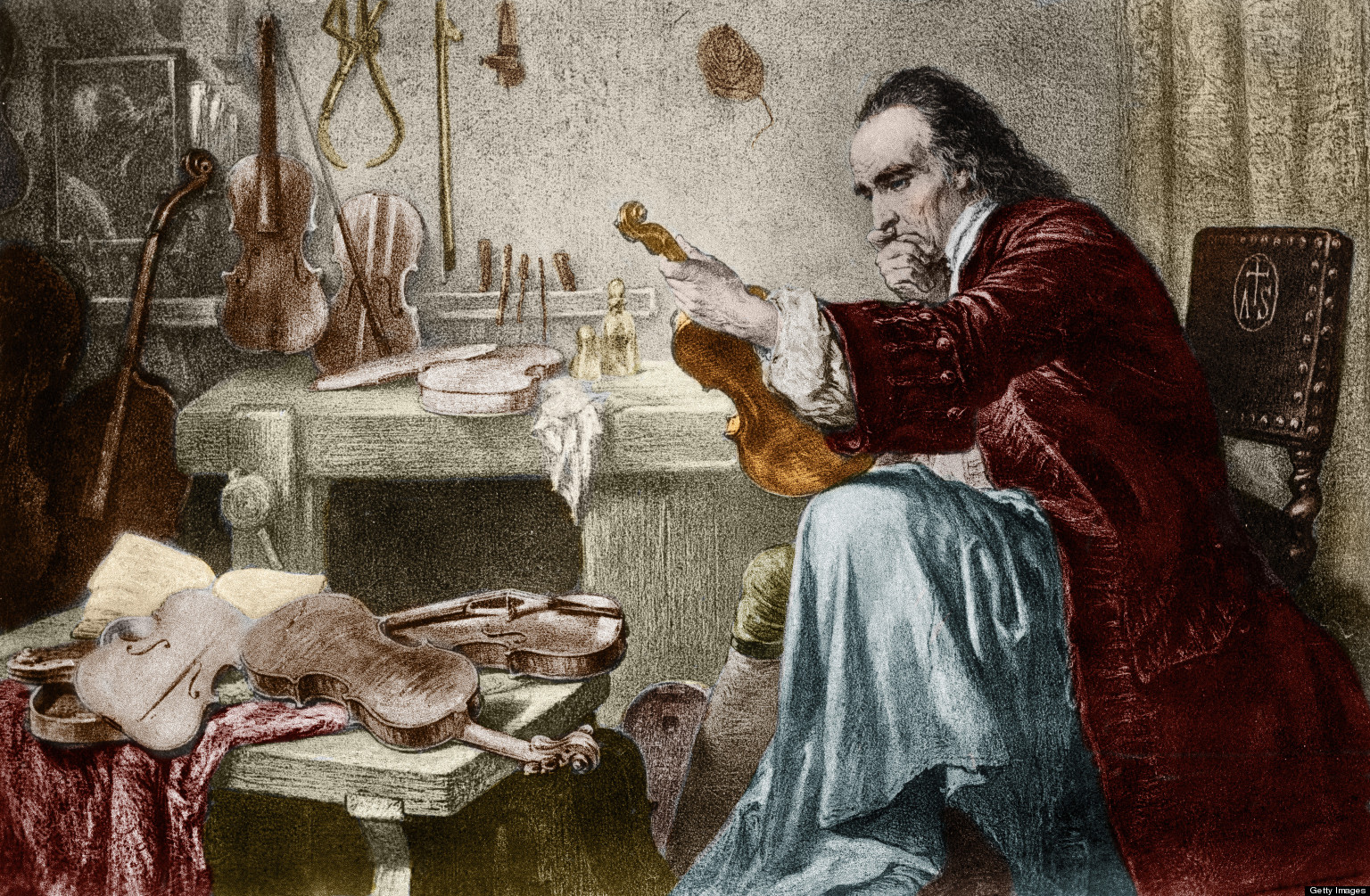
One of the most important musical forms to emerge during the Baroque period was the multi-movement concerto, a form in which one—or less commonly, two or three—instruments are pitted against an orchestra. The concerto was a lengthier, more complex composition than the sonata, and it was usually played in larger halls. Two main types of concerti were the solo concerto for solo instrument and orchestra, and the concerto grosso, played by a small orchestra.
Composer: Alessandro Marcello
-
"Oboe Concerto in D Minor: II. Adagio"
Composer: Arcangelo Corelli
-
"Concerto Grosso in G Minor, Op. 6, No. 8, "
Solo concertos were usually virtuoso showpieces in which soloists were required to perform technically demanding parts. As well, the solo instrument had to be of sufficient expressiveness and power to hold its end of the conversation with the orchestra. These desired characteristics were made possible by the work of premier luthiers (makers of string instruments) such as Antonio Stradivari and Joseph Guarnerius del Gesu, who developed the artistry and technology to produce world-class instruments.
In most instrumental pieces involving groups and soloists, the large group was usually a string orchestra made up of violins, violas, cellos, and continuo. In the concerto grosso, the concerto part was often played by a solo violin or by a small group of violins. During the late Baroque period, strings were commonly substituted for wind and brass instruments.
Composer: George Frideric Handel
-
"Concerto Grosso in C major: I. Allegro"
In Giuseppe Torelli's (1658-1709) Sonata a 5 in D Major, G. 3, which contrasts a solo trumpet against a small string orchestra, two main sections—ritornello and solo—may clearly be heard. The portion of the piece in which a large group plays is called the ritornello section. The portion where the soloist takes over is called the solo section. Each movement of the piece, in this case, the Andante, may contain three or four alternating ritornelli and solo sections, with each section in a different key, before the closing ritornello ends the movement in the original key.
Composer: Giuseppe Torelli
-
"Sonata a 5 in D, I. Andante and II. Allegro"
Composer: Giuseppe Torelli
-
"Sonata a 5 in D, I. Andante and II. Allegro" [ 00:00-00:19 ]00:19
Composer: Giuseppe Torelli
-
"Sonata a 5 in D, I. Andante and II. Allegro" [ 00:20-00:32 ]00:12
Composers continued producing concerti grossi and solo concertos well into the 18th century. These compositions featured popular wind instruments such as the oboe in the Concerto for Oboe and Orchestra in D minor by Alessandro Marcello, the recorder in the Recorder Suite in A minor by Telemann, and the keyboard in the Keyboard Concerto No. 5 in F minor by J. S. Bach.
Composer: George Frideric Handel
-
"The Arrival of the Queen of Sheba"
Composer: Alessandro Marcello
-
"Oboe Concerto in D Minor: II. Adagio"
Composer: Georg Philipp Telemann
-
"Recorder Suite in A minor, II. Les Plaisirs"
Composer: Johann Sebastian Bach
-
"Keyboard Concerto No. 5 in F minor, BWV 1056: Largo"
Arcangelo Corelli
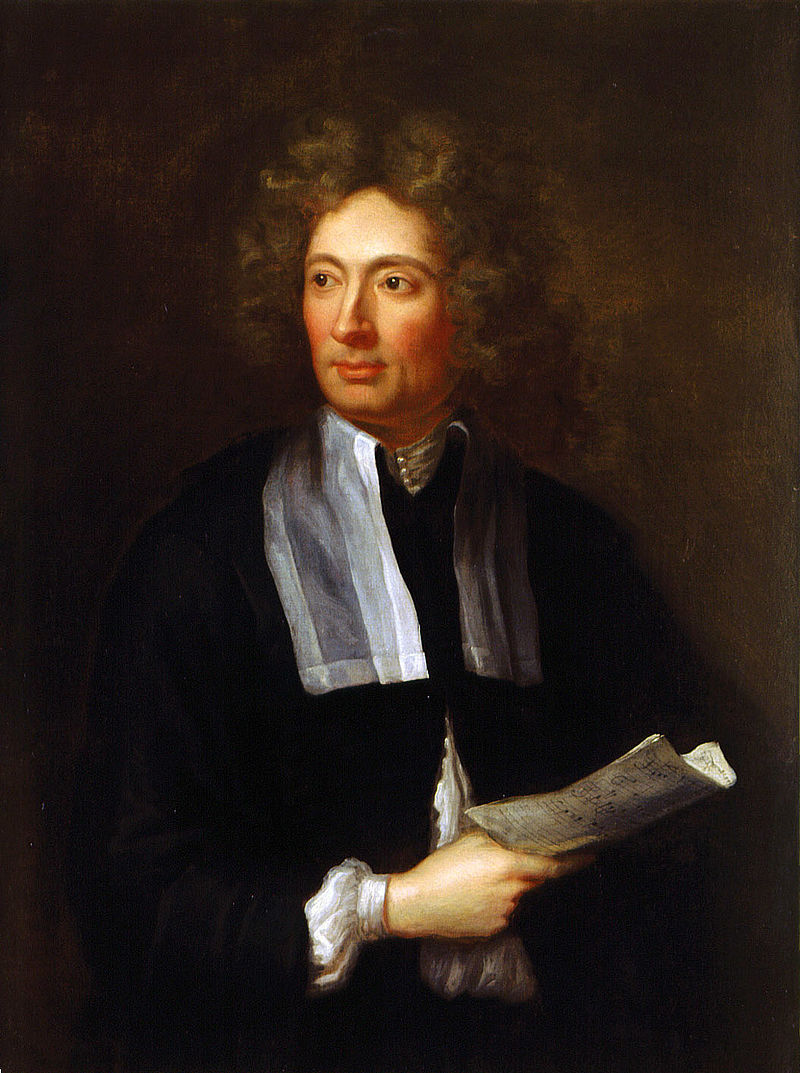
The leading Baroque composer of concerti grossi, who also happened to be the most famous violinist-composer of the period, was Arcangelo Corelli. Corelli was trained in Bologna, Italy and moved to Rome around 1675, where he enjoyed the successive patronage of Queen Christina of Sweden, Cardinal Pamphili, and Cardinal Ottoboni. He composed only instrumental music, and his six published collections of sonatas and concertos quickly became models for future generations of composers throughout Europe, including J. S. Bach and G. F. Handel.
Composer: Arcangelo Corelli
-
"Concerto Grosso in G Minor, Op. 6, No. 8, "
Antonio Vivaldi
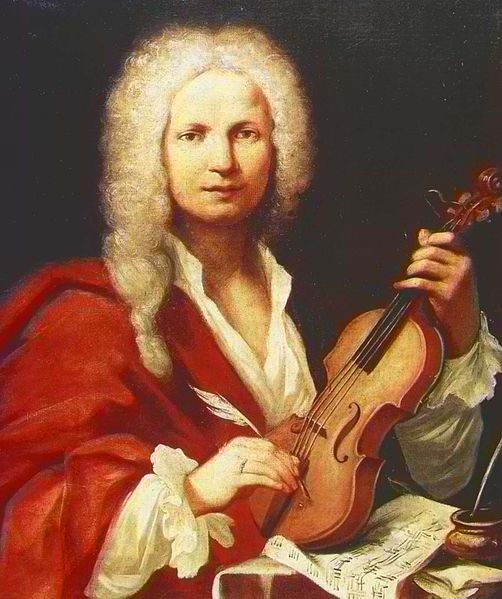
Antonio Vivaldi is undoubtedly one of the most significant Baroque instrumental composers; certainly he was the most prolific in 18th century Italy. Sometimes called "the red priest" because of the color of his hair and his ordination, he spent most of his career as a music teacher and composer at the Pio Ospedale della Pietà, a school for orphaned, abandoned, or illegitimate girls in Venice.
An extraordinarily prolific composer, Vivaldi wrote more than 500 concertos: including 39 for bassoon, 30 for flute, several for oboe, and no less than 39 operas in addition to numerous choral works, cantatas, and chamber works. In many of these works, he experimented with different sound combinations between the ensemble and the soloist, establishing a trend for many generations of composers after him.
His masterpiece Le Quattro Stagioni (The Four Seasons) remains his most imaginative, colorful, and popular work. In these concertos, Vivaldi tried to capture the unique essence of each season of the year. The first movement, "Spring", includes musical passages designed to imitate chirping birds, flowing streams, thunder, and lightning. In "Winter", Vivaldi depicts a cold, bitter landscape in passages that suggest the chattering of teeth, the crunch of snow underfoot, and the gentle drift of snowflakes.
Composer: Antonio Vivaldi
-
"The Four Seasons: Concerto No. 1 in E major, Op. 8, No. 1, Rv 269, Spring: I. Allegro"
Composer: Antonio Vivaldi
-
"The Four Seasons: Concerto No. 4 in F minor, Op. 8, No. 4, Rv 297, Winter: I. Allegro Non Molto"
Composer: Antonio Vivaldi
-
"The Four Seasons: Concerto No. 4 in F minor, Op. 8, No. 4, Rv 297, Winter: I. Allegro Non Molto" [ 02:27-02:56 ]00:29
As you may recall, the compositional approach in which a composer tells a story, paints a picture, or sets a mood through music is called program music. The opposite approach is usually referred to as absolute music.