
Overview
Objectives
- Examine two specific types of blues to understand the musical form, instrumentation, harmony, and lyric content of each
- Consider the listenership of each type of blues music, examining how these musics were recorded, marketed, and consumed by both white and African American audiences
- Examine the specific aspects that are key to African American music, such as call and response and blue notes
- Identify the 12- bar blues form
- Identify the performers associated with rural blues
- Identify the performers associated with urban blues
Boogie Woogie
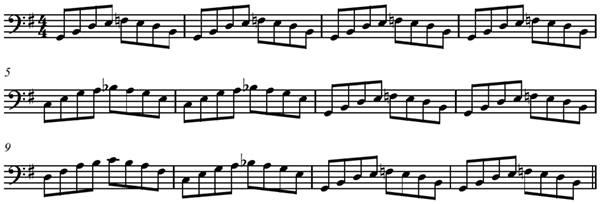
Another kind of blues-influenced music grew up among piano players in the lumber and turpentine camps of Texas and Louisiana. It soon spread to the inner-city clubs of the midwest, and became particularly popular in Chicago. In boogie-woogiea style of blues played on the piano that is characterized by eighth-note ostinatos in the left hand and highly ornamented melodies in the right, eighth-note ostinato patterns generate a driving rhythm in the left hand while the right hand embroiders that pattern with a variety of highly ornamented melodies. Recordings such as Pinetop Smith’s "Pinetop’s Boogie Woogie ♫" show off these repeated bass figures and rhythmically contrasting right-hand melodies. Boogie-woogie was music meant for dancing, and it was a staple of Chicago "rent parties." A tenant might host a rent party if he was unable to make his rent payment one month. During these parties, a hired pianist would play boogie woogie music all night while people danced, drank, ate, and socialized. Everyone who attended would chip in some money, and usually the host earned enough by the end of the night to not only pay for the expenses of the party (including the pianist’s fee) but also to cover their rent that month.



"The advent of boogie woogie was the first time African American musicians succeeded in creating a piano music that was within the emotional tradition of African American music."
