Generating page narration, please wait...

Learning Objectives
Be ready to...
- Outline the social, cultural, and political impact of WWI and WWII.
- Discuss the growth of the United States as a world power.
- Describe the impact of technological advancements on the development of music in the twentieth century.
- Describe, compare and contrast the main stylistic differences of Contemporary music styles including impressionism, post-Romanticism, serialism, and expressionism.
- Summarize the changing nature and application of the concept of tonality throughout the century.
- Discuss the impact of Claude Debussy's "Prelude to the Afternoon of a Faun" in light of the Symbolist movement in literature.
- Illustrate how the Russian composer Igor Stravinsky experimented with rhythm, new instrumental combinations, and the percussive use of dissonance, and discuss the impactof these techniques on contemporary music.
- Describe the impact of Arnold Schoenberg and the Second Viennese School on 20th-century music.
- Distinguish the main stylistic differences of nineteenth- and twentieth-century composers and styles.
- Describe the musical and political impact of “national schools” of composition that developed across Europe during the 20th century.
- Explain the impact of composer Aaron Copland on American contemporary music.
- Describe the impact of Latin American composers on the larger "art music" scene and repertoire.
- Define and analyze the main differences between jazz, ragtime, and blues.
The Contemporary Period (1910 - present)
Listening Bridge: Romantic Period to Contemporary Period
Listen to the following excerpts and compare them using the following questions as a guide:
- What kind of ensemble is performing each piece?
- Which piece has a melody based on a traditional musical scale?
- Which piece features more dissonant chords?
- Which piece features more syncopated rhythms?
- Which piece features more extremes of loud and soft?
- Which piece uses traditional instruments in unusual ways?
- Which piece might have been influenced by American Jazz?
Listening Prelude
This is an excerpt from an orchestral piece written during the Contemporary period. Listen to it while considering the following questions:
- Which instrument family provides the dominant timbre?
- Are pitches organized into singable melodies or as a series of short pitch patterns?
- Does the piece feature clear tonal centers and strong, clear cadences?
- Is the accompaniment best described as chords, counter melodies, or masses of sound?
- Are vertical combinations of sound pleasant and consonant or harsh and dissonant?
- Is there a consistent pulse and regular meter?
- Which instrument families provide the strong rhythm near the end of this excerpt
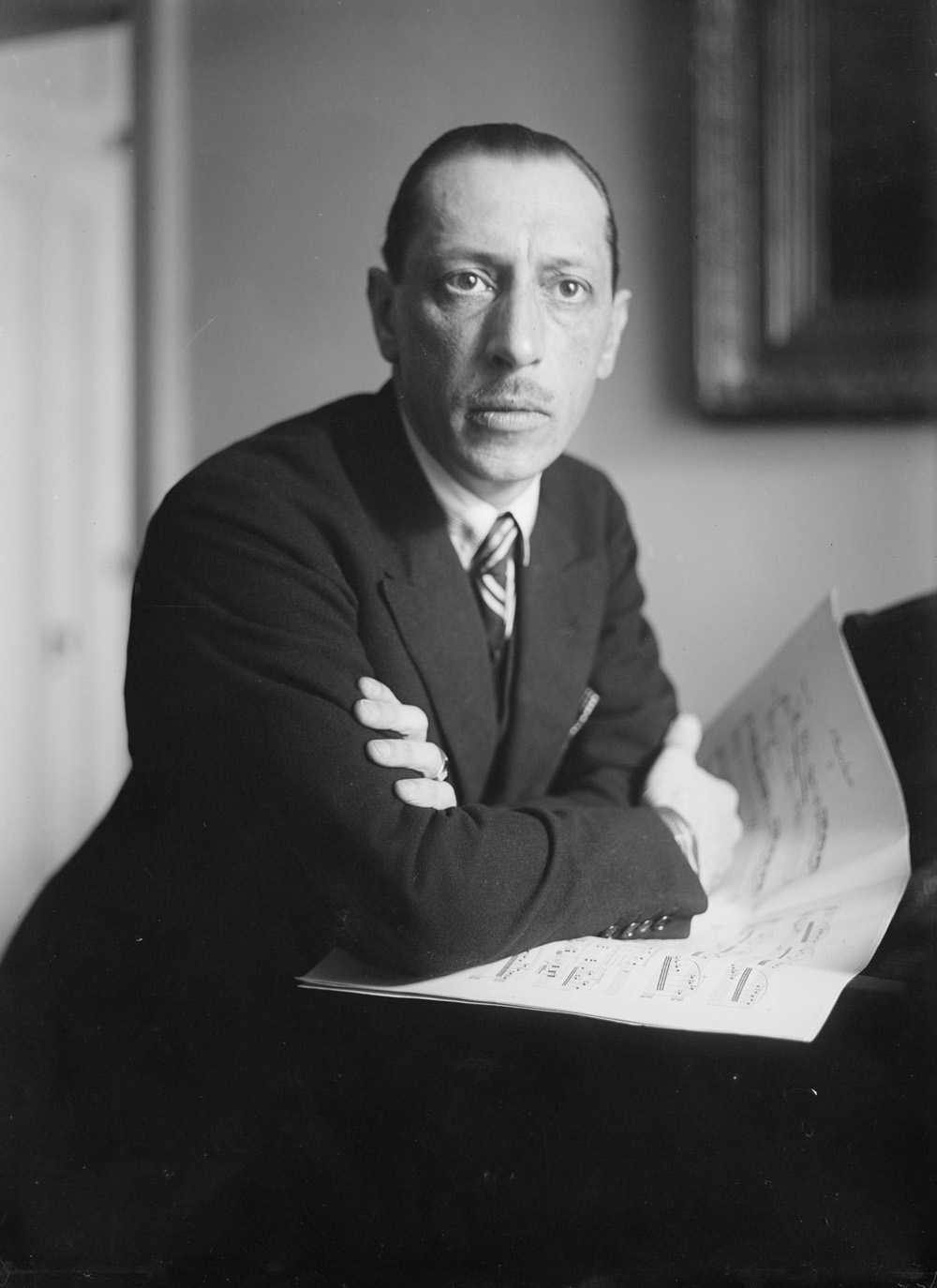
Composer: Igor Stravinsky
-
"Le Sacre Du Printemps (The Rite Of Spring): Part I: The Adoration of the Earth"