Learning Objectives
- Relate the social, cultural, and political background during the Medieval period (500-1450) to the function of music during this time.
- Characterize the music of the early Christian church, i.e., Gregorian chant.
- Describe the difference between the Proper and the Ordinary of the Mass.
- Examine the influence of the Cathedral of Notre Dame as a center for organum in medieval music.
- Describe the differences between troubadours and trouvères in medieval secular music.
- Trace the rise of secular polyphonic chansons set to fixed text forms (rondeau, ballade, virelai) in the French Ars nova.
- Define and classify the instrumental music of the medieval period.
- Trace the four major developments that took place in Western music during the Middle Ages: the development of pitch and rhythmic notation; the transition from monophony to polyphony; the initial stages of regularly metered music; and the development of the motet and instrumental music.
Medieval Period (476–1450)
Dance Music
Hildegard von Bingen
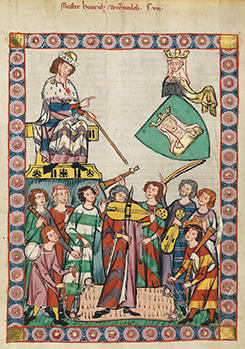
No matter what instruments were used, almost all instrumental music in the Middle Ages was used for dance purposes. Just as Decameron author Giovanni Boccaccio (1313–1375) raised the vernacular and popular stories of the day to the level of art, so too did the great composers and performers of the period shape the dances and songs of the lower classes into lasting works of art. The titles of some dances suggest that this was the first time in history that programmatic titles were used.
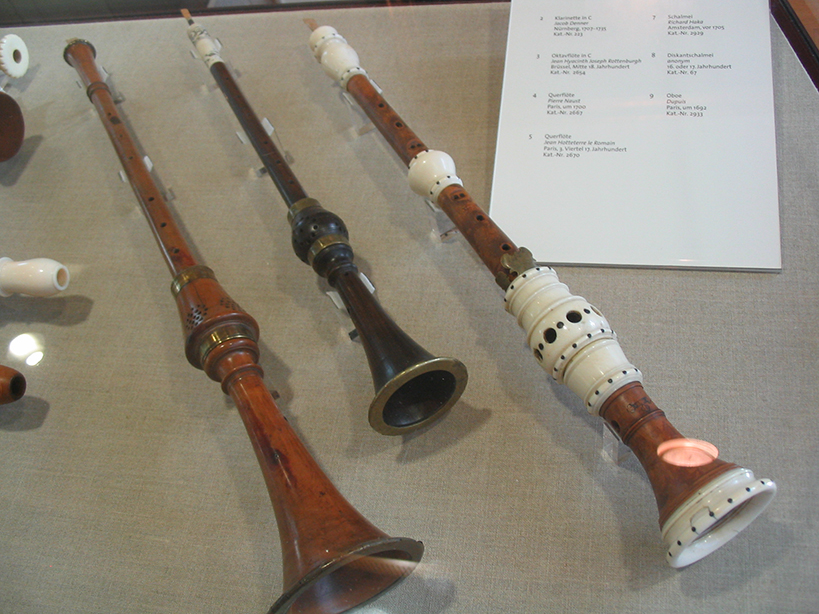
Consider, for example, "Bellicha" (Warlike woman), a piece that comes from a northern Italian collection of early manuscripts. You will hear drums at the beginning, followed by the distinctive double-reed timbre of shawms, forerunners of the oboe.
Composer: Anonymous
-
"Bellicha"
Composer: Anonymous
-
"Saltarello No. 1"