Overview:
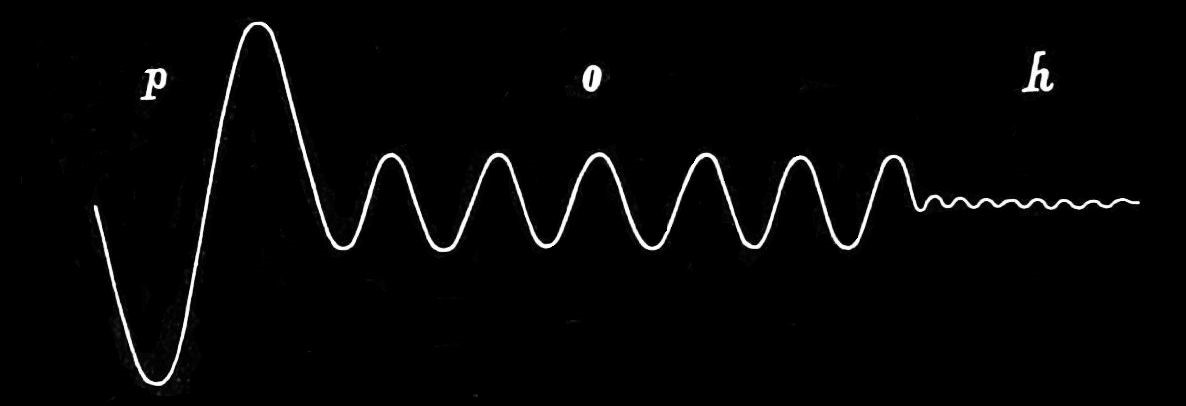
Math and music have many connections: counting, rhythm, scales, intervals, patterns, time signatures, and more. Music composition is simply a mathematical exercise combined with the inspiration of sounds, tempo, and pitch. Additionally, music is both an art and science, since both use mathematical principles and logic, blending creative thinking and inspiration, and use formulas and theories to solve problems. Sound vibrations are a type of mechanical action with a series of high and low points (remember, melodies have high and low pitches) with waves that move to specific frequencies consisting of ratios. In many ways, mathematics is used to create enjoyable music.
Objectives:
Students will be able to:
- Identify the commonalities between music and math as well as music and science.
- Design and develop age-appropriate lesson plans for integrating music and math as well as music and science.
- Model lessons that integrate music with math and science.
Music and Science
Some topics in science provide common ground for elementary music activities.
- Students can study the principles of the science of sounds such as vibration amplification, and the relationship of the length of the vibrating surface to the pitch of the sound. Students can experiment with creating their own instruments or use standard instruments to illustrate some of these principles.
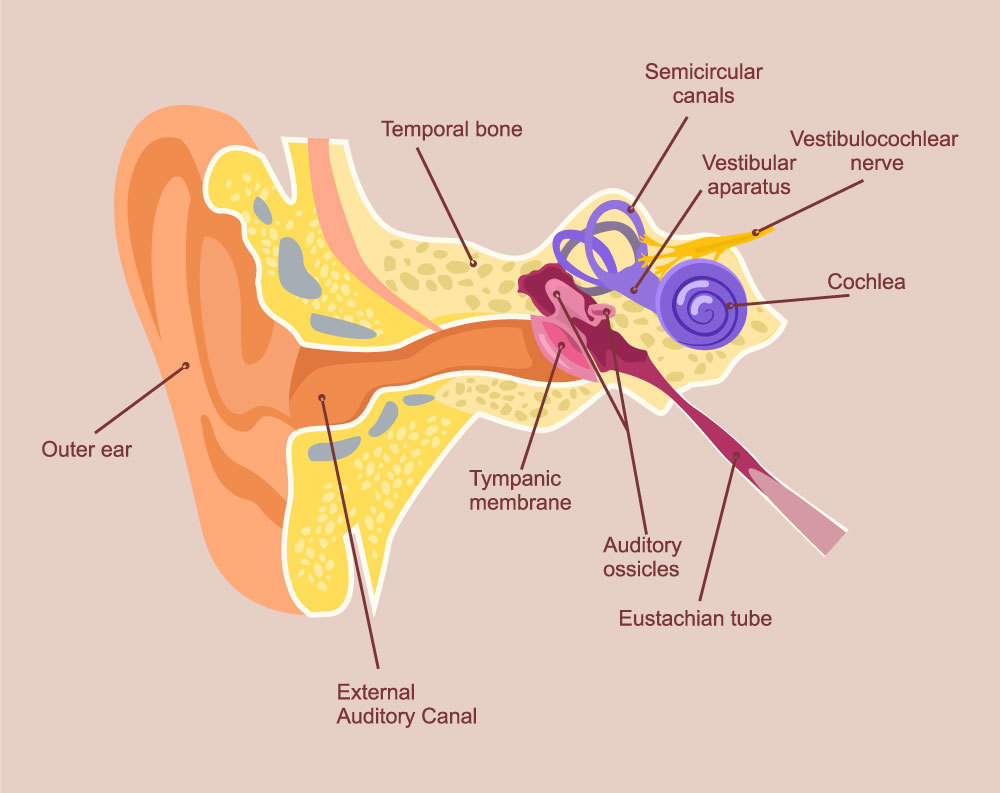
Vibrations pass through the eardrum hammer and stirrups, and the water of the cochlea and are sent as an electrical nerve signal to the brain. Sound also conducts through the bones of the skull. Ask students to cover their ears and hum to hear the sound coming through the bones. Students can try to make as many different timbres as possible with a pencil, hands, and the like.
- Science can serve as the theme of a music lesson. This approach is illustrated using the programmatic music, Ballet of the Unhatched Chicks, by Mussorgsky, using the topic of chicks to help students explore long and short musical sounds.
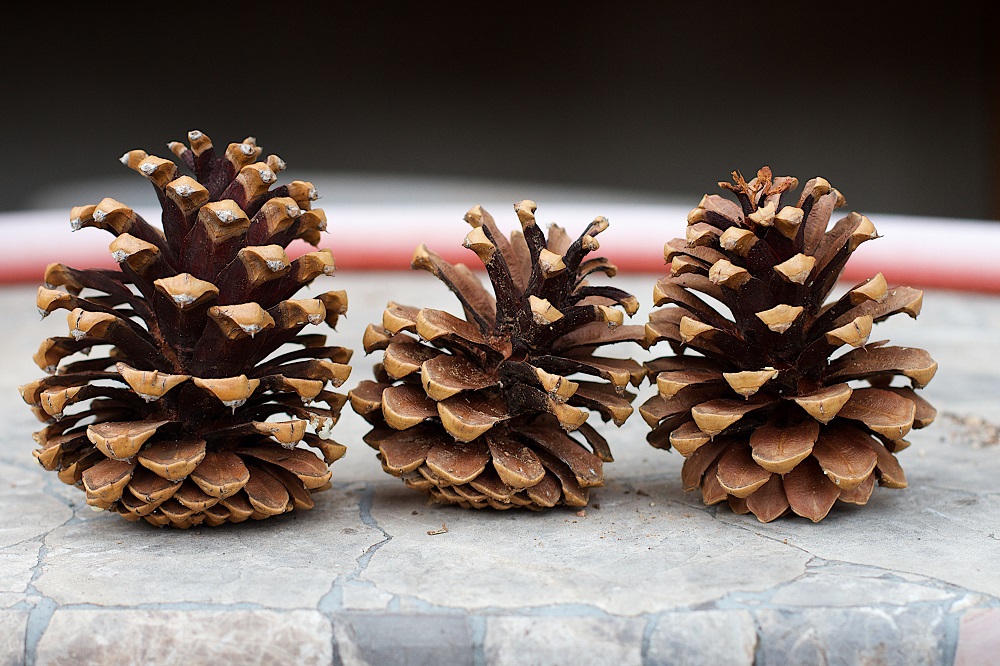
- Nature consists of patterns. Students can explore the patterns in nature (pinecones, flowers, tree leaves, shells) and compare them to patterns in music.
- In the spring, students can go on a listening walk to find bird songs. Students can tape each song and match with bird pictures on return to class. Then they can discuss the differences in melodies, pitches, rhythms, and timbres of each bird. Variation: Use musical notation to write down bird songs. Students can also write lyrics to bird songs, like the "bob white" we use to make the quail song.
- What would a rainy day sound like? Towering cumulus clouds? Thunder and lightning? A hurricane? The teacher asks students to create and present weather reports in which the meteorologist makes sounds when they mention each type of weather. Variation: Write or find songs about the weather that could introduce or conclude weather reports. They may also use poetry.
- Students imitate or tape record sounds in nature, such as a bird whistling, dog barking, water splashing, and the wind. Combine sounds to create a nature orchestra. Variation: Compose environmental rhythms song: rap or chant by audio taping toilet flushes, the door shutting, stirring with a metal spoon, the clock ticking, and typing.