Learning Objectives
- List the characteristics of the Baroque era (1600-1750) in context of social change including religious wars (Protestants vs. Catholics), the exploration and colonization of the New World, and the rise of middle-class culture.
- Identify a new style—monody—that featured solo song with instrumental accompaniment in the Baroque period through listening examples.
- Define figured bass, a shorthand that allowed the performer to supply chords through improvisation.
- Compare and contrast the major-minor tonality system and the equal temperament tuning system.
- Explain the significance of the union of text and music as expressed in the Baroque Doctrine of the Affections and reflected in genres such as opera, oratorio, and cantata.
- Define and compare the genres of opera, oratorio, and cantata.
- Compare and contrast the development of two types of concertos: the solo concerto and the concerto grosso.
- Correctly identify visually and aurally the main keyboard instruments of the Baroque era: organ, harpsichord, and clavichord.
- Describe the main characteristics of J. S. Bach's keyboard music, in particular his Well-Tempered Clavier.
Baroque Period (1600–1750)
Social, Cultural, and Political Background
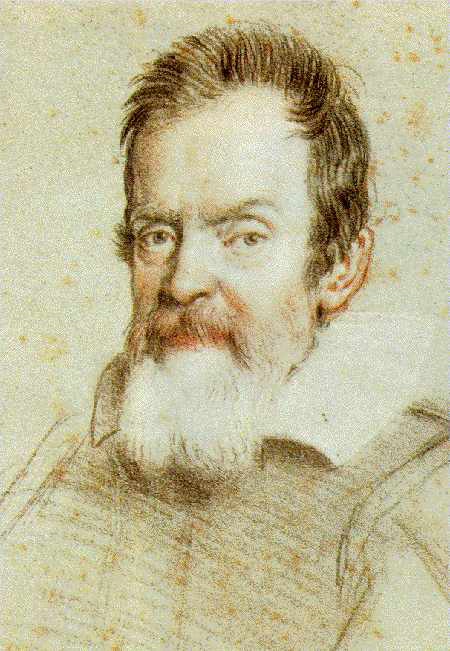
Religious fervor that occasionally bordered on fanaticism coexisted with groundbreaking scientific and philosophical accomplishments that constituted the practical foundation of modern civilization. At the dawn of the Baroque period, the Italian philosopher, priest, and cosmologist Giordano Bruno (1548–1600) was tried, condemned, and publicly executed by the Catholic Inquisition for embracing the Copernican heliocentric (sun-centered) theory of the universe and suggesting that the universe itself was infinite and without center. A little over 50 years later, the Italian Galileo Galilei (1564–1642) and the German Johannes Kepler (1571–1630) corroborated that the sun, not the earth, was the center of the universe, and they also pioneered the use of experimentation to validate physical theories—the cornerstone of the scientific method.
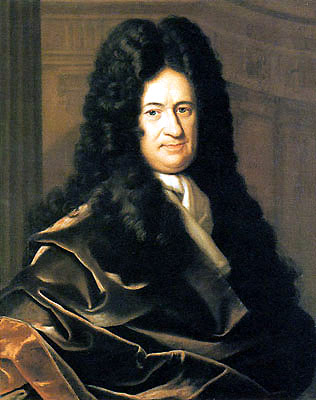
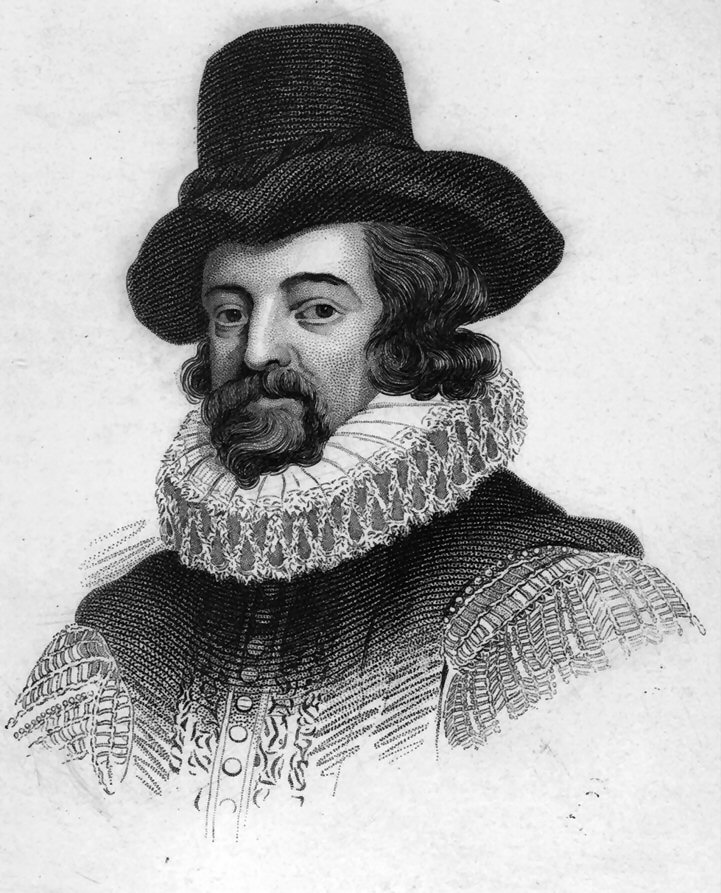
The separation of science and philosophy from religious dogma led to the establishment of a scientific method of inquiry. Francis Bacon (1561–1626), René Descartes (1596–1650), and Gottfried Wilhelm Leibniz (1646–1716) helped lay a foundation of logic and rational investigation of nature. Isaac Newton (1642–1727) articulated the theory of gravity, Antoni van Leeuwenhoek (1632–1723) examined microorganisms under a microscope, and William Harvey (1578–1657) discovered the circulation of blood. Monarchs began to establish scientific academies.
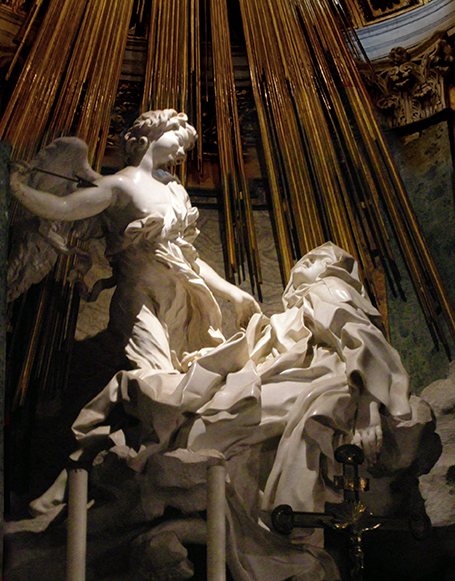
This new mode of searching and discovering also gained a foothold in the arts. Smaller groups of intellectuals and artists met to discuss how to accomplish new expressive goals. One such early group, known as the Florentine Camerata, became particularly interested in re-creating the powerful music dramas they believed had been staged by the ancient Greeks. The group sought to rediscover the core dramatic element in music that had been obscured by the complex polyphony and fussy word painting of some late Renaissance music. One participant in this Camerata was none other than Vincenzo Galilei, father of Galileo Galilei. The result of the Florentine Camerata’s artistic experiments would have lasting significance: we know it as opera.