Learning Objectives
- Outline the social, cultural, and political impact of WWI and WWII.
- Discuss the growth of the United States as a world power.
- Describe the impact of technological advancements on the development of music in the twentieth century.
- Describe, compare and contrast the main stylistic differences of Contemporary music styles including impressionism, post-Romanticism, serialism, and expressionism.
- Summarize the changing nature and application of the concept of tonality throughout the century.
- Discuss the impact of Claude Debussy's "Prelude to the Afternoon of a Faun" in light of the Symbolist movement in literature.
- Illustrate how the Russian composer Igor Stravinsky experimented with rhythm, new instrumental combinations, and the percussive use of dissonance, and discuss the impactof these techniques on contemporary music.
- Describe the impact of Arnold Schoenberg and the Second Viennese School on 20th-century music.
- Distinguish the main stylistic differences of nineteenth- and twentieth-century composers and styles.
- Describe the musical and political impact of “national schools” of composition that developed across Europe during the 20th century.
- Explain the impact of composer Aaron Copland on American contemporary music.
- Describe the impact of Latin American composers on the larger "art music" scene and repertoire.
- Define and analyze the main differences between jazz, ragtime, and blues.
Music of the 20th and 21st Centuries (1900-Present)
Social, Cultural, and Political Background
Modernism
At the turn of the 20th century, the old musical capital of Vienna found itself in the stifling grip of an increasingly irrelevant Austro-Hungarian monarchy determined to preserve the old order even if it meant political and cultural stagnation. In 1914, the Austrian archduke (and heir to the throne) Franz Ferdinand was assassinated by a Serbian nationalist, setting off the First World War and ending the old order forever. Until that time, however, a fascinating tension existed between cosmopolitan, liberal elements of Vienna and conservative, strict bourgeois social codes and political attitudes. In one odd example of this tension, from 1897 to 1910 the multiethnic and largely tolerant city was governed by the popular nationalist, anti-Semitic mayor Karl Lueger. Among those absorbing the political anti-Semitism in Vienna was none other than the young Austrian Adolf Hitler (1889–1945).
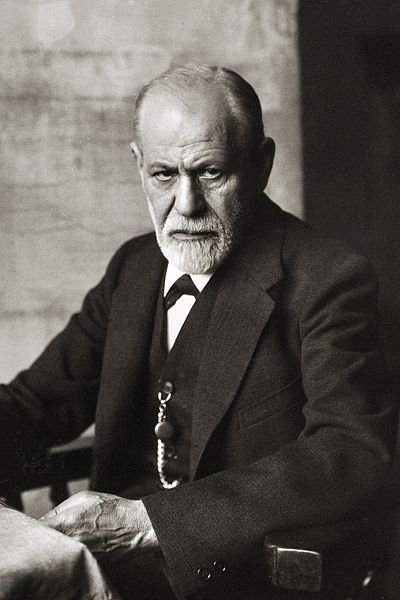
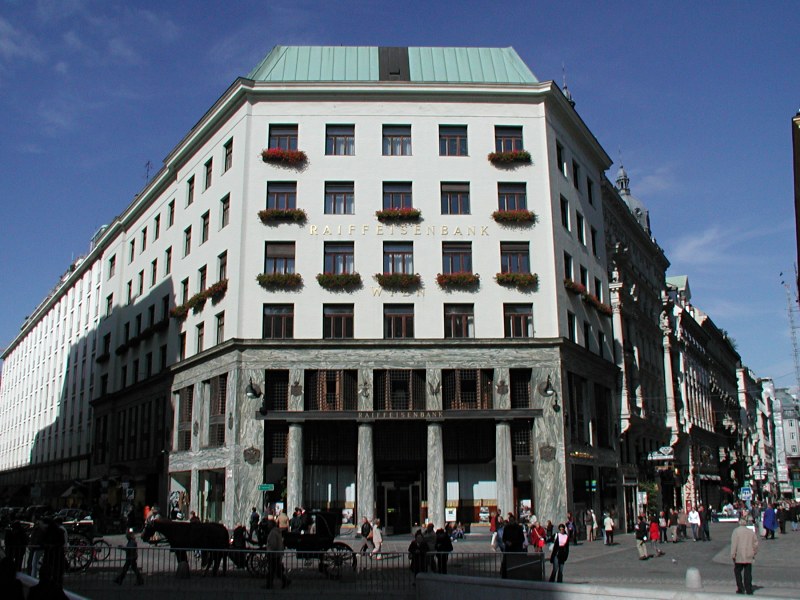
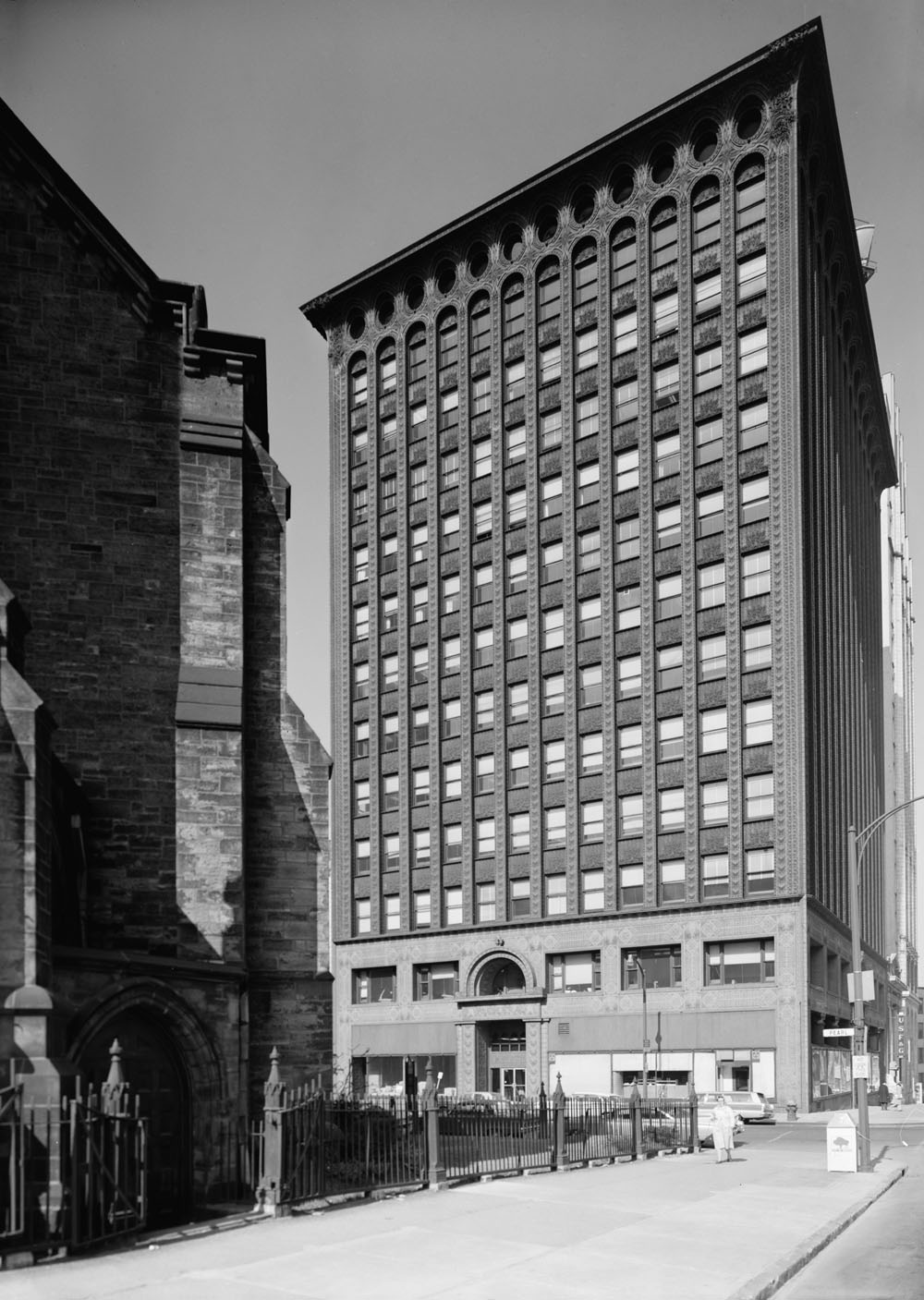
Viennese artists and thinkers around the turn of the century pushed back against the social and cultural status quo. Sigmund Freud (1856–1939) probed the depths of the human psyche, uncovering subconscious motives and impulses that excited artists and made many people extremely uncomfortable. The Interpretation of Dreams (1899) laid the foundation for psychoanalytic theory. The architect Adolf Loos (1870–1933) rejected the fancy historical style favored by the noble Viennese and designed buildings that were shockingly plain. “Ornament is crime,” he famously declared. (His now iconic Goldman and Salatsch Building, across from the imperial palace, allegedly so upset Archduke Franz Ferdinand that he vowed to use a different entrance so he would not see it.)
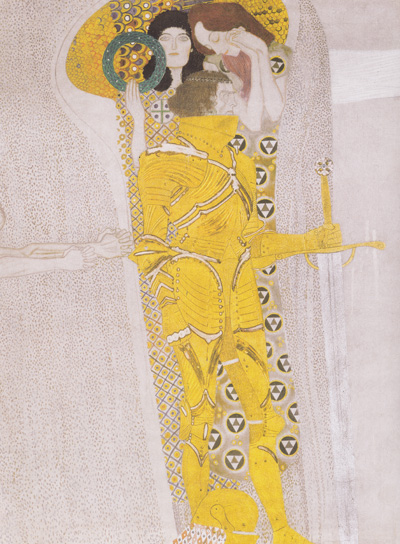
The artist Gustav Klimt (1862–1918) pursued an opposite—but no less modern—path, exploring Freudian, erotic, and symbolic themes in highly decorative works of art. And as the last echoes of the waltzes by Johann Strauss Jr. were dying away, a Second Viennese School was emerging in the music of Arnold Schoenberg (1874–1951). Schoenberg shook off the centuries-old tonal system and adopted a new language of dissonance.
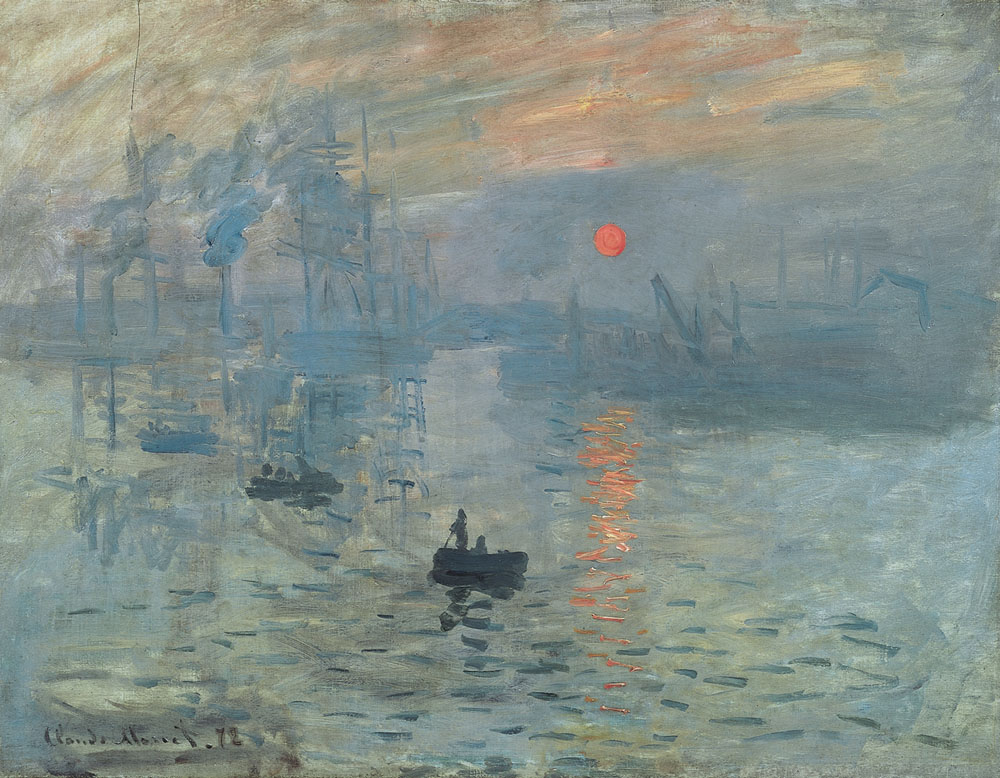
Klimt, Loos, and Schoenberg (the latter two were friends) represented early modernism in Vienna. Modernism was an approach to art and thought that flourished particularly in the years between 1890 and 1918 but remained a strong current throughout the 20th century. The “ism” at the end signifies that it was about more than simply what was modern. Modernism very consciously rejected tradition and insisted on radical experimentation as the only way forward. Part of this experimentation involved looking at the materials and even the fundamental premises of art. Thus, painters' goals evolved from creating the illusion of reality to drawing viewers' attention to the possibilities of the art form itself. In the 1870s and 1880s, the impressionists (centered in Paris) initiated the modernist approach when they made no attempt to blend their colors smoothly or to hide their brush strokes, nor did they aim for visual accuracy. Instead, their goal was to capture the light and mood of a specific moment, openly acknowledging that a painting could not render visual objectivity.
Critics dismissed paintings like Impression: Sunrise, by Claude Monet (1840–1926), as "unfinished," and the term "impressionism" was initially used in a derogatory sense. Nevertheless, painters such as Edgar Degas (1834–1917), Paul Cézanne (1839–1906), Pierre-Auguste Renoir (1841–1919), Camille Pissarro (1830–1903), and Mary Cassatt (1845–1926) continued to explore ways of using brushstrokes on canvas to capture a subjective reality.
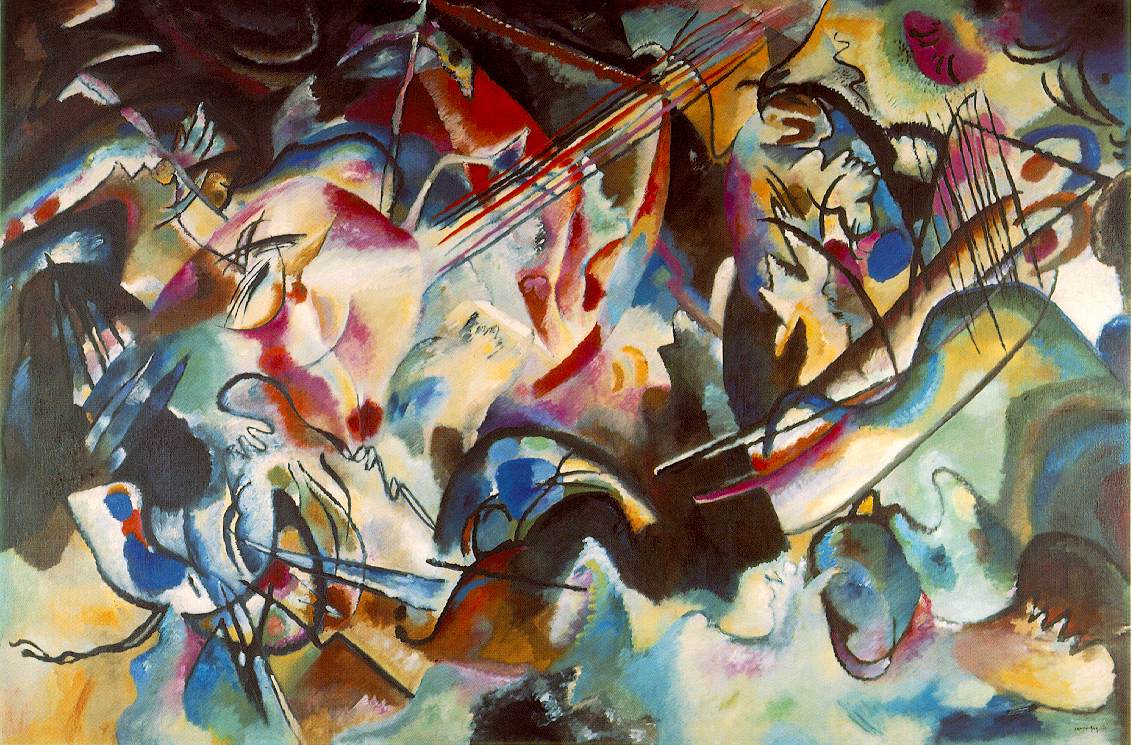
In 1896, at a Monet exhibit, the Russian painter Wassily Kandinsky (1866–1944) realized that a painting, despite the fact that he was unable to make out its subject, tremendously moved him. This experience led him to take the next, critical step for modernist art: to produce paintings that had no subject whatsoever and were instead pure abstraction, studies in shape and color and materials alone.
At the same time, symbolist poets such as Stéphane Mallarmé (1842–1898), Paul Verlaine (1844–1896), and Arthur Rimbaud (1854–1891) left syntax behind and explored the purely musical qualities of the French language, using words to suggest meanings rather than state them outright. These poets were also fascinated by Richard Wagner's music dramas, which used musical symbols to represent dramatic action. One friend of Mallarmé's, the composer Claude Debussy (1862–1918), was first excited and then repelled by Wagner's music. (It was Debussy who ultimately provided a French alternative to German musical dominance.) But Debussy's own use of musical suggestion, rather than outright statement, put him right in line with the symbolists, whose texts he frequently used in his works. His unconventional approach to harmony prioritized color and mood over any kind of standard progression. The effects he created, of fleeting moments, improvisation, and intangible ideas, landed him the label of “impressionist”—like the painters.
Composer: Claude Debussy
-
"Préludes, Book 1, L. 117: No. 10: La cathedrale engloutie"
The liberation of language from the requirement to express clear meanings opened new pathways for modernist writers such as Ezra Pound (1885–1972), T. S. Eliot (1888–1965), and James Joyce (1882–1941). Joyce built on Freud's explorations of the human unconscious to establish his “stream of consciousness” method of writing, which attempted to capture on paper characters' thoughts exactly as they occurred in their minds. This made for some challenging but also fascinating reading, as in his landmark novel Ulysses, from 1922.