Learning Objectives
- Recognize the differences between the Medieval and Renaissance periods in terms of society, religion, art, science, and freedom.
- Explain how Renaissance musicians made their living.
- Use relevant musical vocabulary to analyze Renaissance a cappella singing.
- Distinguish the characteristics of Renaissance music, and differentiate between Renaissance music and Medieval music.
- Illustrate how composers used the motet, a sacred genre with a Latin devotional text, to experiment in musical style and texture.
- Describe how Renaissance composers set texts from the Ordinary of the Mass for their polyphonic Masses.
- Describe how instrumental dance music was performed by professional and amateur musicians.
Renaissance Period (1450–1600)
Instrumental Music
William Byrd
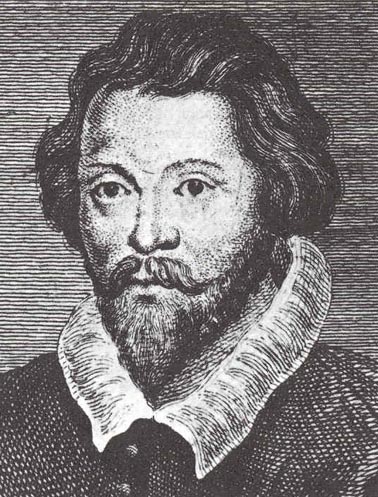
William Byrd was the first superstar among English composers. Even during his own lifetime, he was recognized as a genius. This undoubtedly helped him negotiate the tricky waters of being a Catholic under Queen Elizabeth, a Protestant monarch.
As a boy, he most likely studied with Thomas Tallis, and the two ended up together later in the queen's Chapel Royal, sharing organ-playing duties and composing works for Anglican services. They also shared a monopoly on music publishing in England, for a while, having received the only two patents granted by the Crown.
Byrd remained loyal to the queen but continued to compose music for his fellow Catholics. His sacred compositions are particularly treasured today. One of just a few vocal music composers who also wrote for instruments, Byrd contributed greatly to the establishment and development of Renaissance instrumental genres.
Byrd, whose Qui passe we listened to earlier, also wrote the following galliard for string consort. A consort is a collection of instruments, from high to low range, within the same family. A recorder consort would include recorders of high, medium, and low ranges, and a consort of viols (as this one) would include the larger, standing viols (like today's cellos and basses) as well as ones held in the arms (like today's violas and violins). It was also possible to have a mixed consort, a group that would include instruments of different families.
Composer: William Byrd
-
"Qui passe; for my Ladye Nevell"
Composer: William Byrd
-
"Galliard a6"
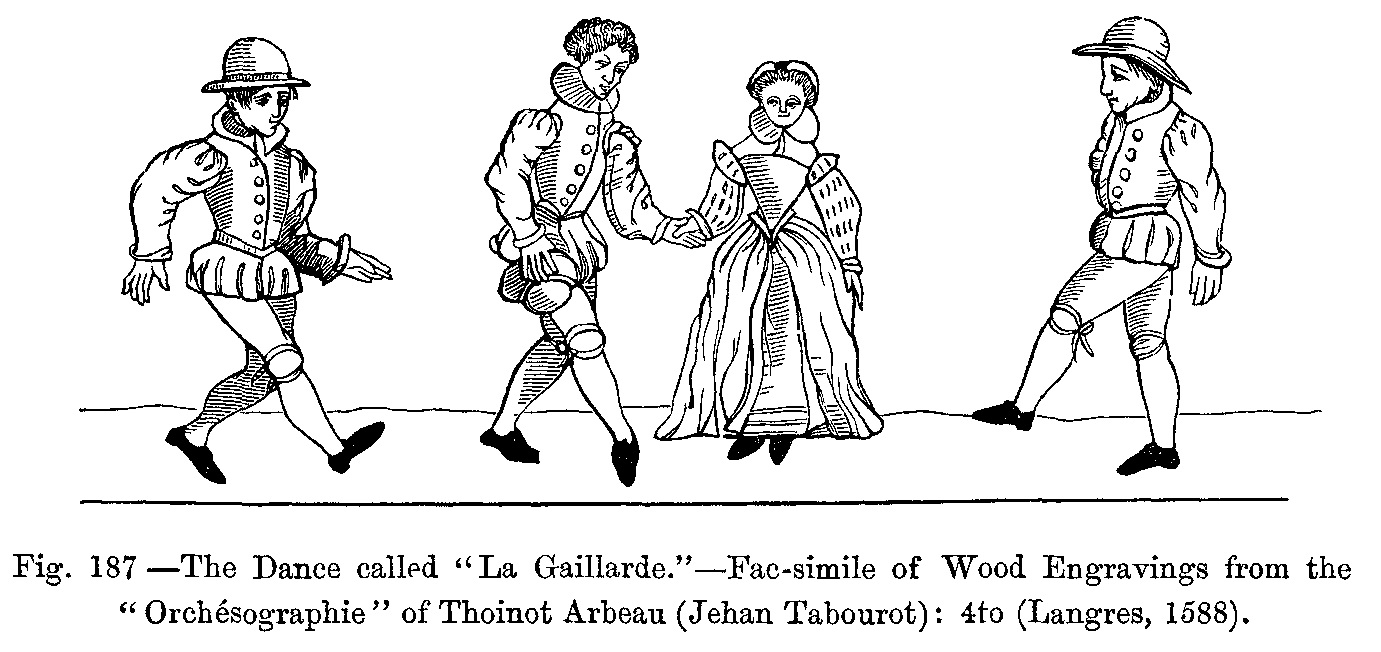
In the Renaissance, it was important for people of higher social status to know how to dance well. The galliard, like most Renaissance dances, involved fancy footwork. It was a more vigorous dance than the pavane that preceded it (sometimes as a procession), and it even contained some high jumps.
The Church Organ
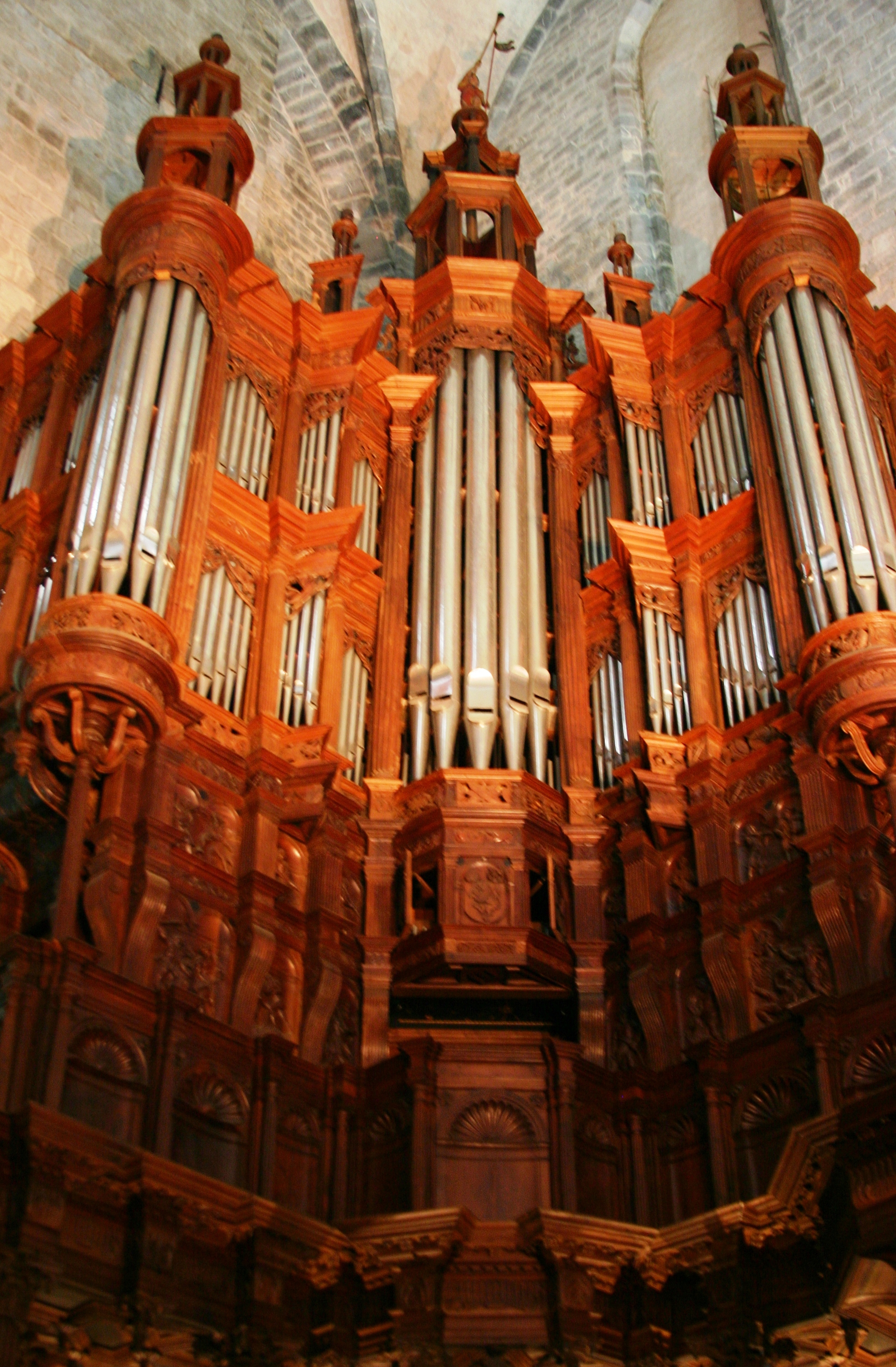
The church organ took its present basic shape during the Renaissance. In the early part of the period, when the Frenchman Loyset Compère (c. 1445–1518) composed this piece, organ music was still primarily based on vocal models. Listen for the imitation, and for the way the individual lines move much as voice parts would in a motet.
Of the same generation as Josquin des Prez, Jakob Obrecht, and Pierre de la Rue, Compère was one of the most significant Renaissance composers of motets and chansons, and one of the first musicians to bring the influence of the Italian Renaissance style to France.
As the Renaissance progressed, composers would experiment with improvisation and more idiomatic use of the keyboard, ultimately transcending vocal models and composing music that, because of the idiomatic keyboard writing, could only be played, not sung anymore. By the early 16th century keyboard improvisation came to be greatly valued, and numerous composers of virtuoso keyboard music appeared.
Composer: Einojuhani Rautavaara
-
"Ave Maria gratia plena"